

Discover Pallay Punchu: Peru's Sacred Multi-Colored Mountain Gem
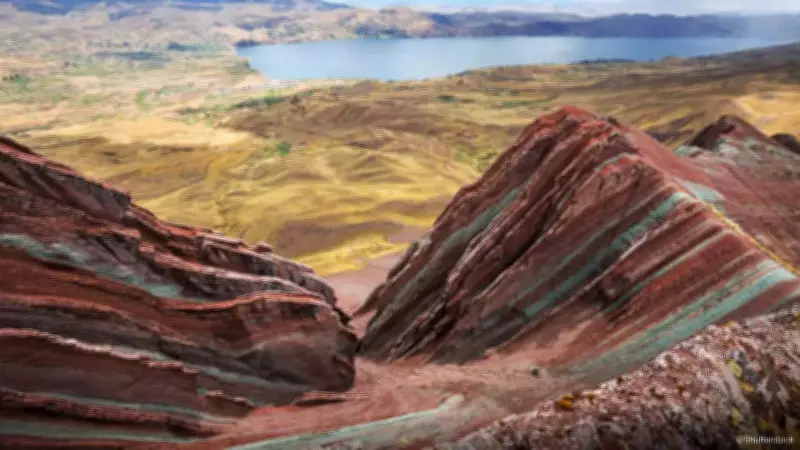
Nestled in the heart of Peru's Cusco region, Pallay Punchu stands as a pristine natural wonder, surrounded by majestic snowcapped peaks and jagged ridges that inspire awe. This remarkable site, located near the shimmering Lake Langui at an elevation exceeding 4,700 meters above sea level, offers visitors a unique blend of breathtaking landscapes and profound cultural heritage.
The Spiritual and Natural Significance of Pallay Punchu
According to official Peru tourism sources, Pallay Punchu is a place where ancient spiritual practices continue to honor the Apus, or mountain spirits. This sacred destination is known by various evocative names, including 'Mountain of Sharp Peaks' or 'Sharp-Colored Mountain', inspired by its striking ridges that resemble the intricate patterns of traditional Andean ponchos.
The mountain's jagged slopes are naturally adorned with a stunning palette of cream, magenta, and reddish-brown hues, creating a visual phenomenon that appears as if painted by nature itself. These vibrant formations have been sculpted over millions of years by geological processes, often attributed to Pachamama, or Mother Earth, in local lore.

What Makes Pallay Punchu a Must-Visit Destination
Pallay Punchu's unique appeal lies in its remarkable resemblance to Andean textiles, with its colorful ridges forming a natural tapestry against the sky. The hiking trail to this unforgettable spectacle is clearly marked with white arrows painted on rocks, guiding adventurers along a steep ascent that typically takes 45 minutes to one hour.
Upon reaching the summit, visitors are rewarded with panoramic views that include the majestic Lake Langui, whose shimmering waters add to the impressive natural scenery. This serene setting provides the perfect opportunity to pause, breathe deeply, and capture the moment with photographs that will last a lifetime.
The immersive experience continues on the return journey, where hikers are often greeted by friendly llamas and alpacas, enhancing the connection to Peru's rich cultural landscape. The combination of natural beauty and lived experiences ensures that memories of Pallay Punchu remain vivid long after returning to Cusco.
How to Reach Pallay Punchu
To embark on this must-visit Peruvian adventure, travelers should first reach the city of Cusco. From there, public buses are available on Huayruropata Avenue, providing transportation to the city of Sicuani. This journey typically takes approximately three hours, offering scenic views along the way.
Essential Tips for Visiting Pallay Punchu
- Acclimate to Altitude: Spend adequate time in Cusco before your hike to adjust to the high elevation and reduce the risk of altitude sickness.
- Early Start: Begin your hike early in the day to enjoy clearer views and more favorable weather conditions.
- Proper Gear: Wear appropriate hiking footwear and clothing, as the terrain can be rough and steep.
- Stay Prepared: Bring sufficient water, snacks, sunscreen, and a hat to protect against the sun.
- Layer Up: Dress in layers to accommodate fluctuating temperatures throughout the day.
- Pace Yourself: Maintain a steady hiking pace to conserve energy and minimize altitude-related discomfort.
- Respect Local Communities: Be mindful of local customs and always ask for permission before taking photographs of people or private property.
- Consider a Guide: Hiring a local guide can enhance your experience and provide valuable insights into the area's history and terrain.
- Check Weather: Review local weather forecasts before your trip to ensure safe hiking conditions.
- Carry Local Currency: Have Peruvian soles available for transportation needs or unexpected expenses.
Pallay Punchu represents more than just a hiking destination; it is a testament to Peru's natural wonders and cultural depth. Whether you're drawn by its colorful landscapes, spiritual significance, or adventurous trails, this multi-colored gem in Cusco promises an enriching experience that connects you with both nature and ancient traditions.






