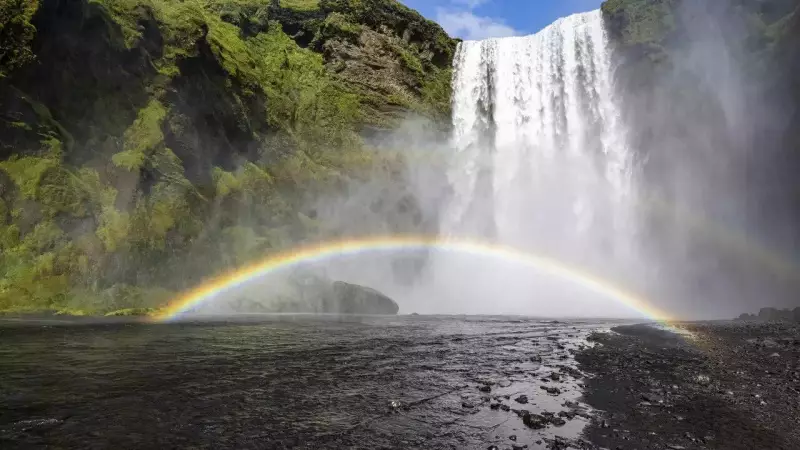
Nestled in the lush landscapes of Hawaii's Big Island, the Rainbow Waterfall, known locally as Waiānuenue, stands as one of the archipelago's most iconic and breathtaking natural attractions. Drawing visitors from across the globe to the Hilo region, this marvel is far more than just a scenic spot; it is a dynamic intersection of geology, ecology, and atmospheric magic.
The Volcanic Birth of a Natural Masterpiece
The very existence of Rainbow Waterfall is a direct testament to the powerful volcanic forces that have shaped the Hawaiian Islands over millennia. The waterfall is part of the Wailuku River State Park, with the Wailuku River itself draining the eastern slopes of the massive volcanoes Mauna Kea and Mauna Loa. The river courses over ancient, hardened lava flows that are hundreds of thousands of years old.
As the molten lava cooled and solidified, it created resilient ledges. Over time, the persistent flow of the Wailuku River has relentlessly eroded this volcanic rock, carving out the dramatic 80-foot vertical cliff over which the water now plunges. This ongoing erosion has also sculpted a fascinating lava cave behind the curtain of falling water. The waterfall's flow varies significantly with rainfall, with heavy downpours dramatically increasing its volume and erosive power, showcasing a live demonstration of Earth's shaping processes.

The Science Behind the Stunning Rainbows
The waterfall's enchanting name is derived from the frequent and vivid rainbows that materialize in its mist. This is not mere chance but a perfect play of optics and environment. The rainbows form when sunlight interacts with the myriad water droplets suspended in the air around the falls.
The light is refracted, reflected, and dispersed within these droplets, splitting into the full spectrum of visible colors. The ideal conditions for the most brilliant rainbows occur on sunny mornings when the sun is positioned low in the sky behind the observer, illuminating the mist directly. The intensity and clarity of the rainbow depend on factors like the density of the mist and the size of the water droplets, offering a daily, naturally occurring lesson in atmospheric physics.
A Thriving Ecosystem in the Heart of the Rainforest
The area surrounding Rainbow Waterfall is a vibrant, thriving rainforest ecosystem characteristic of Hawaii's windward regions. The constant moisture and warm climate foster dense growth of native flora such as ferns, wild ginger, and towering banyan trees with their iconic aerial roots weaving through the gorge.
This green sanctuary supports a mix of native and introduced bird species, whose calls fill the air. While native birds often inhabit the higher canopy, adaptable non-native species thrive in the understory. A multitude of insects and small creatures complete this complex web of life, making the zone around the falls a significant site for ecological study and biodiversity on the Big Island.
Why This Wonder Captivates Visitors Annually
Rainbow Waterfall's appeal is multifaceted, combining easy accessibility with profound natural beauty and cultural depth. Its proximity to Hilo makes it a convenient and must-visit destination, often requiring just a short walk from the parking area, suitable for visitors of all mobility levels.
For photographers and nature enthusiasts, the visual spectacle of the rainbow-kissed cascade against a backdrop of emerald rainforest is unparalleled. The site also holds deep cultural significance in Hawaiian mythology. Legends speak of Hina, a goddess who is said to reside in the lava cave behind the waterfall, adding a layer of sacred narrative to the experience.
Park management ensures a safe visit through clear signage, educating tourists about potential hazards like flash floods and strong currents near the waterfall's base. This blend of stunning scenery, scientific intrigue, ecological richness, and cultural heritage solidifies Rainbow Waterfall's status as a perennial highlight of any Hawaiian journey.