

Rajasthan Government Unveils Ambitious Plan to Develop Mahi Dam Region as Premier Eco-Tourism Destination
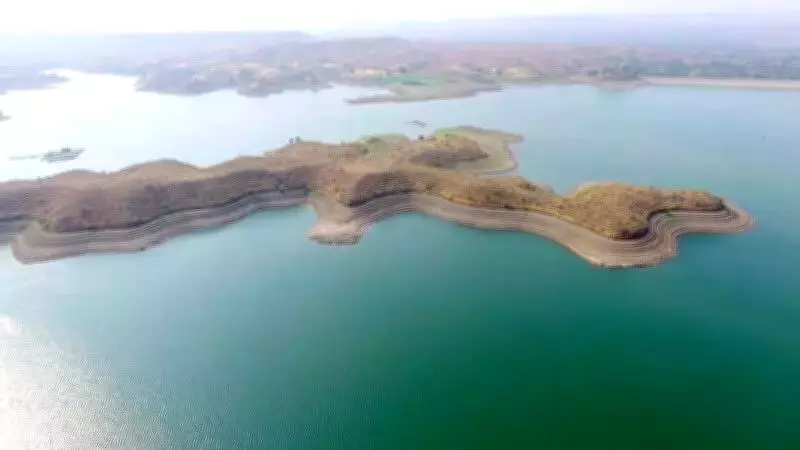
The Rajasthan government has announced a significant initiative to transform the Mahi Dam region in Banswara district into a major eco-tourism hub, with particular emphasis on developing the scenic area known as the "City of Hundred Islands" along the Mahi River. Water Resources Minister Suresh Rawat made the announcement on Tuesday, outlining a comprehensive strategy that balances tourism development with environmental protection.
Sustainable Tourism and Conservation at the Core
The initiative specifically aims to promote regulated and environmentally friendly tourism in the Mahi reservoir area, which is renowned for its cluster of picturesque islands. Beyond tourism development, the project has dual objectives of strengthening water conservation efforts and creating sustainable employment opportunities for local communities. This integrated approach represents a model for how natural resources can be developed responsibly while supporting regional economic growth.
"The proposed plan will regulate land use, water sports, and other tourism activities while ensuring strict adherence to environmental norms," Minister Rawat emphasized. "This initiative seeks to harness the area's natural beauty, offering water-based activities and eco-tourism to enhance regional appeal. We anticipate this effort will generate substantial revenue while establishing the region as a model for sustainable development."

Committee Formed to Develop Master Plan
To advance the project systematically, the government has established a high-level committee under the chairmanship of the Udaipur divisional commissioner. This panel has been tasked with preparing a comprehensive master plan and establishing a regulatory framework for controlled tourism activities throughout the region.
The committee brings together expertise from multiple government departments, including representatives from water resources, forest, tourism, public health engineering, and pollution control departments, along with an assistant town planner. The superintending engineer of the Mahi Project will serve as member secretary, ensuring technical oversight throughout the planning process.
"The committee will formulate specific rules for land use, demarcation, leasing arrangements, water sports operations, and overall tourism management across the dam's catchment area, islands, and surrounding lands," explained an official involved in the planning process.
Building on Existing Natural Appeal
Officials noted that the Mahi Dam region already possesses significant tourist appeal due to its unique natural characteristics. The area features numerous scattered islets within the Mahi backwaters, surrounded by lush greenery and rolling hills that create a visually stunning landscape.
"Characterized by scattered islets within the Mahi backwaters and surrounded by lush greenery and hills, this region is already attracting tourists," an official stated. "In this area—which has established an identity as the 'city of hundred islands'—we plan to develop various attractions including water activities, nature-based tourism experiences, scenic viewpoints, and visitor amenities through careful planning and infrastructure development."
Comprehensive Development Framework
The new development plan aims to build systematically on the region's existing appeal through planned infrastructure and nature-based attractions. Rather than rapid commercialization, the approach emphasizes controlled development that preserves the area's ecological integrity while enhancing visitor experiences.
The master plan will address multiple aspects of sustainable tourism development, including environmental impact assessments, carrying capacity calculations, waste management systems, and community benefit mechanisms. Special attention will be given to developing water-based recreational activities that align with conservation goals, along with nature trails, observation points, and educational facilities that highlight the region's unique ecosystem.

This initiative represents a significant step in Rajasthan's broader strategy to diversify its tourism offerings beyond traditional desert destinations, showcasing the state's varied natural landscapes while promoting sustainable development practices that balance economic, environmental, and social considerations.





