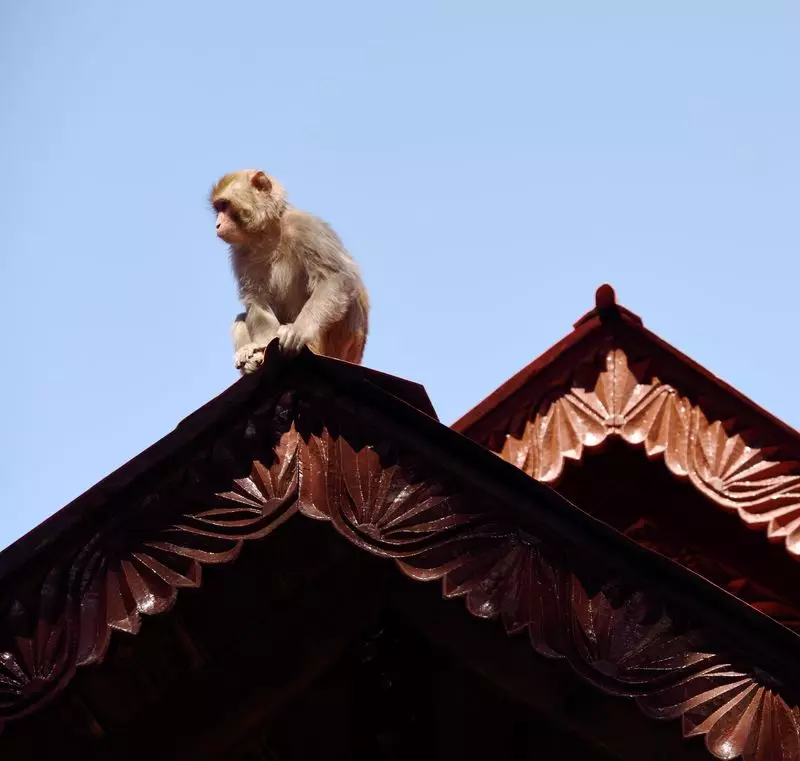
For over a century and a half, the hill station of Shimla has shared its scenic slopes and colonial architecture with an unyielding population of rhesus macaques. What began as a curious novelty during British rule has evolved into a persistent urban wildlife challenge, weaving the primates inextricably into the city's social and ecological fabric.
From Colonial Companions to Urban Pests
The story of monkeys in Shimla is deeply rooted in its history as the summer capital of British India. Historical accounts suggest that British officials and their families often kept these animals as exotic pets, a practice that inadvertently laid the foundation for a permanent simian settlement. When the British departed in 1947, they left behind not just architectural legacies but also these now-feral primate populations. The monkeys, having lost their human caretakers, turned to the growing city for survival, marking the beginning of a complex coexistence.
Over the decades, as Shimla expanded, the monkey population adapted brilliantly to urban life. They learned to raid garbage bins, snatch food from markets and homes, and even open doors and windows. The rhesus macaque, known for its intelligence and dexterity, found the city's environment rich in easy resources. This shift from forest forager to urban opportunist transformed the human-monkey relationship from one of distant observation to daily confrontation.

The Modern-Day Menace and Mitigation Efforts
Today, the monkey issue in Shimla is a multi-faceted problem impacting daily life, tourism, and local ecology. Residents and visitors alike recount tales of snatched bags, pilfered groceries, and aggressive encounters. The economic impact is tangible, with damage to property, crops in peri-urban areas, and occasional disruptions to tourism. Authorities have attempted various control measures with mixed results.
One significant but controversial step was the monkey sterilization program initiated to curb population growth. While aimed at a humane, long-term solution, its effectiveness has been debated. More drastic measures, such as relocating monkeys to forested areas or sanctuaries, have often failed as the animals, accustomed to urban food sources, frequently return or struggle to survive in the wild. The creation of a dedicated monkey sterilization center in the region underscores the scale of the ongoing effort to manage this unique human-wildlife conflict.
An Inescapable Part of Shimla's Identity
The persistence of monkeys in Shimla highlights a broader challenge of urban planning in ecologically sensitive zones. The city's development has encroached upon natural habitats, forcing wildlife like the macaques into closer contact with humans. This has created an ecological imbalance where the animals become dependent on human refuse and handouts.
Despite the nuisance, the monkeys have become an undeniable, if troublesome, part of Shimla's character. They are featured in tourist anecdotes, local folklore, and are a constant subject of municipal discussion. The situation demands a balanced approach that prioritizes better waste management, public awareness against feeding, and sustainable habitat conservation. The story of Shimla and its monkeys is a 150-year lesson in unintended consequences, reminding us that wildlife, once integrated into the urban sphere, becomes a permanent stakeholder in the city's future.
The coexistence continues, a daily negotiation between the residents of a modern Indian city and the enduring legacy of its colonial-era simian settlers. The search for a harmonious solution remains as ongoing as the playful, yet problematic, presence of the monkeys on Shimla's iconic Mall Road and in its leafy suburbs.