






Politics
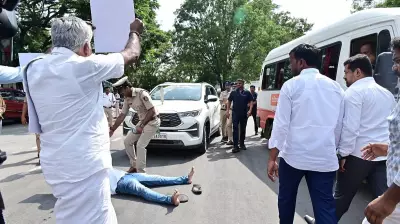
Siddaramaiah Loyalists Protest His Resignation, Block Convoy
Supporters of former Karnataka CM Siddaramaiah protested his resignation, blocking his convoy outside his residence amid tight security and raising slogans.





World
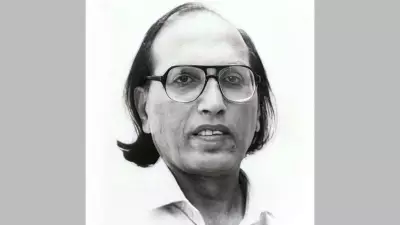
Legendary Urdu Poet Bashir Badr Passes Away at 91
Renowned Urdu poet Bashir Badr passed away at 91 in Bhopal. Known for his ghazals and nazms, he leaves behind a rich literary legacy.



Entertainment

Bhooth Bangla OTT Release: Akshay Kumar Horror Comedy Set for 2026
Akshay Kumar and Priyadarshan's horror comedy 'Bhooth Bangla' will stream on OTT in 2026. Details on when and where to watch.



Business
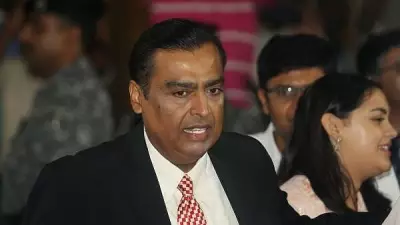
Mukesh Ambani Forgoes Salary for Sixth Consecutive Year at Reliance
Mukesh Ambani has not taken a salary from Reliance Industries for six years, since June 2020, forgoing all allowances, perks, and stock options.







Lifestyle




Technology

Why Gen Z Feels Exhausted Before Careers Begin
Gen Z enters the workforce facing burnout from pandemic disruption, AI anxiety, and economic instability. Workplace reports reveal a generation exhausted by constant adaptation and uncertainty.
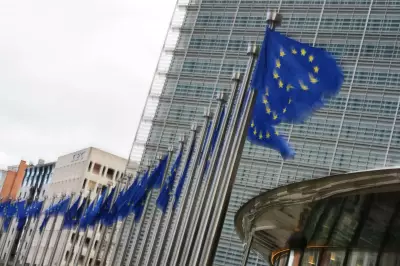
Germany, Spain Oppose EU Ban on Huawei, ZTE Telecom Gear
Germany and Spain are the strongest opponents of the European Commission's plan to ban Huawei and ZTE from EU telecom networks, citing national security concerns, potential Chinese retaliation, and increased costs for AI infrastructure.
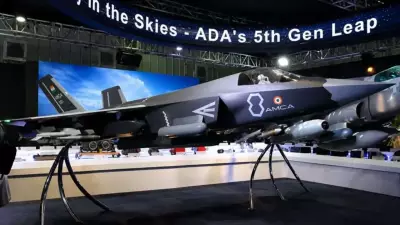
AMCA RFP Released: How It Will Transform India's Air Combat
India's AMCA stealth fighter enters decisive phase with RFP release. The twin-engine 25-tonne jet will reshape air combat with stealth, AI, and indigenous tech.

CERT-In Flags Critical Flaws in Microsoft 365 Copilot
CERT-In has identified critical vulnerabilities in Microsoft 365 Copilot that could lead to data breaches and system disruption. Users urged to update immediately.
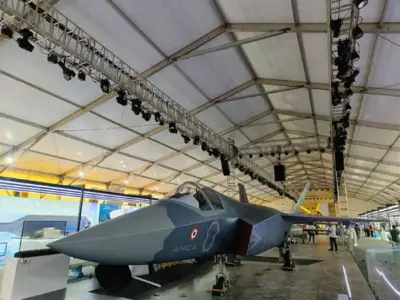
How AMCA Program Helps India Surpass China Beyond Combat
India's AMCA program drives national growth beyond defense, advancing materials science, AI, and manufacturing with spillovers to automotive, renewable energy, and global aerospace supply chains.
