

Six Living Tiger Subspecies: Where to Spot Them in Their Natural Habitats
Once roaming across vast stretches of Asia, from Eastern Turkey to the Russian Far East and down to Indonesia, tigers have seen their habitats dramatically shrink over time. Today, only six distinct subspecies of these magnificent big cats survive in the wild, each uniquely adapted to its specific environment—be it snowy forests, tropical jungles, or mangrove swamps. For wildlife enthusiasts and responsible tourists, the opportunity to witness these powerful predators in their natural settings remains one of the most thrilling experiences on Earth.
Bengal Tiger: The Most Abundant Subspecies
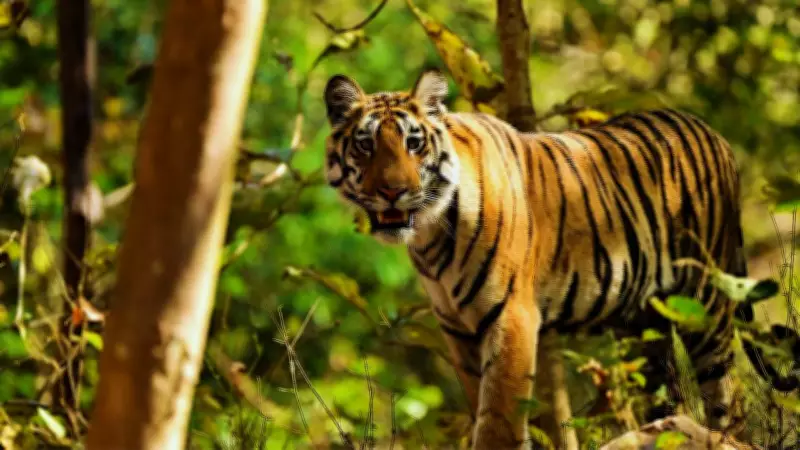
The Bengal tiger stands as the most populous and widely distributed of all tiger subspecies, comprising the majority of the global wild tiger population. Recognizable by its striking orange coat adorned with bold black stripes, this tiger thrives in diverse habitats, including dense forests, grasslands, and mangrove swamps. Prime locations for spotting Bengal tigers are in India, with renowned reserves such as Ranthambore National Park, Bandhavgarh National Park, and Jim Corbett National Park offering excellent viewing opportunities. For a unique experience, the Sundarbans National Park provides a chance to see tigers adapted to a semi-aquatic lifestyle in its mangrove ecosystems.
Siberian Tiger: The Giant of the North
Also known as the Amur tiger, the Siberian tiger is the largest of all tiger subspecies, expertly evolved to endure freezing temperatures. It features a thicker coat, a lighter coloration, and fewer stripes, all ideal for camouflaging in the snowy forests of eastern Russia. Found primarily in the Russian Far East, protected areas like the Sikhote-Alin Biosphere Reserve serve as key habitats. While sightings in the wild are extremely rare, the Siberian tiger represents a notable conservation success story, highlighting efforts to preserve this majestic species.

Sumatran Tiger: The Critically Endangered Rainforest Dweller
The Sumatran tiger is the smallest of the tiger subspecies and is classified as critically endangered. It boasts a darker coat and denser stripes, which aid in survival within the dense rainforests of Sumatra. Key locations for potential sightings include Bukit Barisan Selatan National Park and Gunung Leuser National Park, where conservation initiatives aim to protect this vulnerable population from further decline.
Malayan Tiger: The Force of Malaysian Jungles
Inhabiting the dense rainforests of Malaysia, the Malayan tiger is slightly smaller than the Bengal tiger but remains a formidable predator in its environment. It is primarily found in Taman Negara National Park, yet like many Southeast Asian tigers, it faces critical endangerment due to habitat loss and poaching, making conservation efforts crucial for its survival.
Indochinese Tiger: The Scattered Survivor
Historically ranging across Thailand, Vietnam, Laos, Cambodia, and Myanmar, the Indochinese tiger now has a fragmented population, with the largest groups residing in Thailand and Myanmar. The Huai Kha Khaeng Wildlife Sanctuary, a UNESCO World Heritage Site, hosts a significant population, but sightings remain rare, underscoring the challenges in conserving this elusive subspecies.
South China Tiger: Functionally Extinct in the Wild
The South China tiger is considered functionally extinct in the wild, with no confirmed sightings in recent decades. Originally native to southern China, conservation efforts are now focused on captive breeding programs within the country. The primary challenge for conservationists is to eventually reintroduce captive-bred individuals into protected wild habitats, aiming to restore this subspecies to its natural environment.
In summary, these six tiger subspecies highlight both the beauty and fragility of wildlife across Asia. Responsible tourism and robust conservation measures are essential to ensure that future generations can continue to marvel at these iconic animals in their natural habitats.






