Embracing the Pace of Kuching: A Slow Traveler's Paradise
In an era dominated by fast-paced tourism and checklist itineraries, the city of Kuching in Sarawak, Malaysia, offers a refreshing alternative for those seeking a more meaningful and relaxed travel experience. Known as the capital of Sarawak on the island of Borneo, Kuching invites visitors to slow down and immerse themselves in its rich cultural tapestry, scenic riverfront, and warm local hospitality.
The Heart of Kuching: Waterfront Promenades and Historic Charm
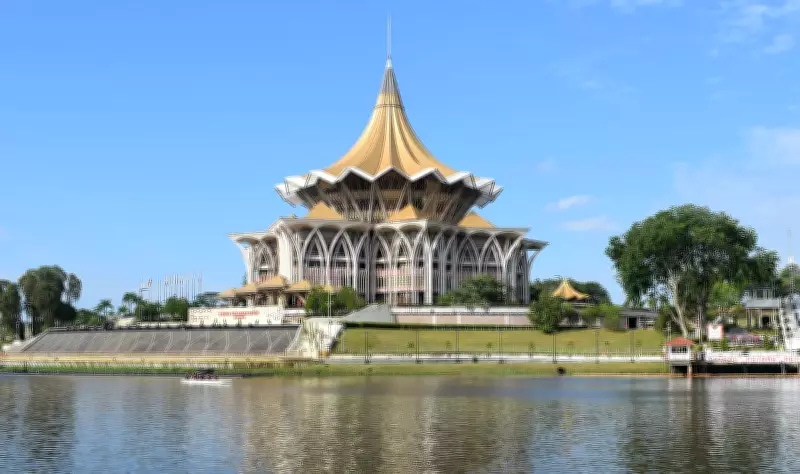
The Sarawak River serves as the lifeblood of Kuching, with its well-maintained waterfront promenades providing the perfect setting for leisurely strolls. Visitors can spend hours wandering along the riverbanks, admiring views of traditional Malay houses, modern architecture, and the iconic Darul Hana Bridge. This area is not just a scenic spot but a hub of daily life, where locals gather, and street performers often entertain passersby.
Kuching's history is palpable in its colonial-era buildings and museums. The Sarawak Museum, one of the oldest in Southeast Asia, offers insights into the region's indigenous cultures and natural history. Meanwhile, the Astana, once the palace of the White Rajahs, and Fort Margherita stand as testaments to the city's storied past, encouraging travelers to delve deeper rather than rush through.

Cultural Immersion: Markets, Cuisine, and Community
To truly experience Kuching, engaging with its vibrant local culture is essential. The city's markets, such as the Sunday Market at Satok, are bustling with activity where vendors sell everything from fresh produce to handicrafts. Here, slow travelers can interact with locals, sample exotic fruits like durian and rambutan, and purchase unique souvenirs like traditional Sarawakian beadwork.
Kuching's culinary scene is a highlight for food enthusiasts. From savory Sarawak laksa to kolo mee (dry noodles) and ayam pansuh (chicken cooked in bamboo), the city's dishes reflect its multicultural heritage. Taking time to savor these flavors at local eateries or street stalls, rather than hurried meals, enhances the travel experience and supports small businesses.
Key Aspects of Slow Travel in Kuching:- Leisurely exploration of the Sarawak River waterfront and its landmarks.
- Visits to cultural sites like museums and historical buildings at a relaxed pace.
- Engaging with local communities through markets and food experiences.
- Appreciating the natural surroundings and urban greenery without time constraints.
Why Slow Travel Matters in Kuching
Kuching's appeal lies in its ability to offer a respite from the frenetic energy of modern tourism. By adopting a slow travel approach, visitors can form deeper connections with the place and its people. This method not only enriches the traveler's journey but also promotes sustainable tourism by reducing environmental impact and benefiting local economies.
Whether it's watching a sunset over the river, chatting with artisans about their crafts, or simply enjoying a quiet moment in one of the city's parks, Kuching rewards those who take their time. It's a destination that proves travel isn't about how much you see, but how well you experience it.