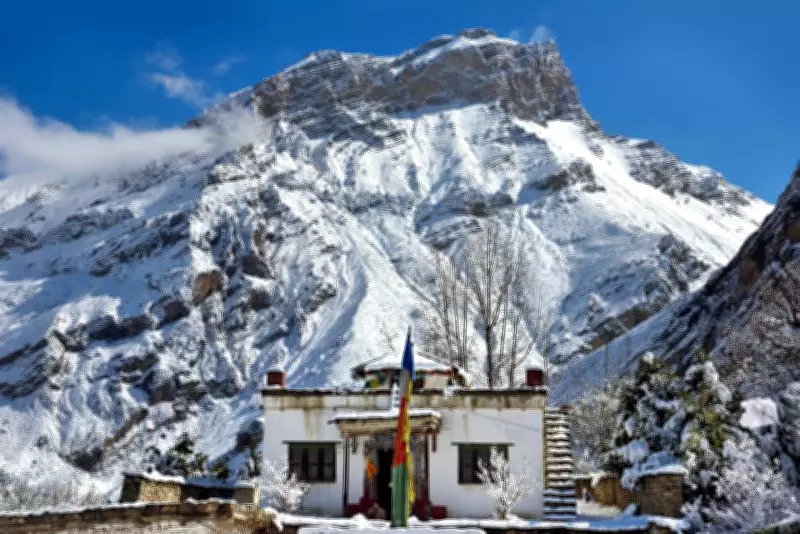
In a significant development affecting adventure tourism in the Himalayan region, heavy snowfall has led to the suspension of trekking activities on five high-altitude routes in Nepal's Mustang area. This weather-induced disruption has brought a temporary halt to one of the most popular trekking destinations in the country, impacting both local guides and international tourists who flock to this remote region for its breathtaking landscapes and challenging trails.
Weather Conditions Force Immediate Closure
The Mustang district, known for its rugged terrain and ancient Tibetan culture, has experienced unusually heavy snowfall in recent days. This severe weather event has made the high-altitude routes treacherous and unsafe for trekkers, prompting authorities to implement immediate closures. The decision was taken to prevent accidents and ensure the safety of all individuals involved in trekking expeditions.
Impact on Local Tourism and Economy
The suspension of trekking on these five routes is expected to have a notable impact on the local tourism industry. Mustang is a key destination for adventure seekers, and the halt in activities could lead to financial losses for guides, porters, and lodge owners who depend on the influx of tourists during this season. The region's economy, which thrives on trekking-related services, may face challenges until the weather conditions improve and the routes are deemed safe again.

Routes Affected by the Snowfall
The five high-altitude routes that have been closed include some of the most iconic trails in Mustang. These paths are renowned for their stunning views of the Annapurna and Dhaulagiri mountain ranges, as well as their cultural significance. The heavy snowfall has not only blocked these trails but also increased the risk of avalanches and other natural hazards, making it imperative for authorities to enforce the suspension strictly.
Safety Measures and Future Outlook
Local authorities and trekking agencies are closely monitoring the weather situation to determine when it will be safe to resume activities. They are advising tourists to postpone their plans and stay updated on official announcements. In the meantime, efforts are being made to clear the snow and assess the damage to the trails, although this process may take time due to the remote and challenging geography of the area.
This incident highlights the vulnerability of high-altitude trekking to unpredictable weather patterns and underscores the importance of preparedness and safety protocols in such environments. As climate change continues to influence weather extremes, similar disruptions could become more frequent, necessitating adaptive strategies for the tourism sector in Nepal and beyond.