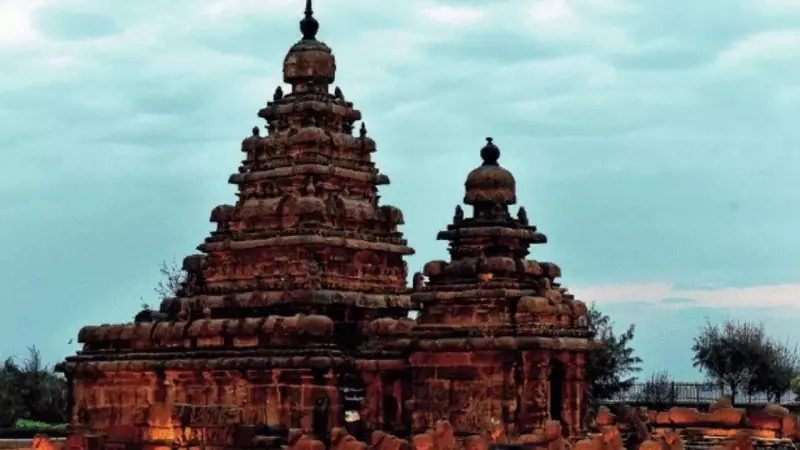
Tamil Nadu's tourism sector is showing clear signs of strain, with its famed hill stations and pilgrimage centers buckling under the weight of relentless visitor traffic. Despite a forward-looking policy aimed at diversification, the state continues to rely heavily on its traditional circuit, leaving vast potential untapped and infrastructure groaning.
The Burden of Success: Overcrowding and Stagnation
The statistics reveal a booming industry. Tamil Nadu recorded approximately 204 million domestic tourist visits and over 780,000 foreign tourist arrivals in the first seven months of 2025 alone. However, this success story has a flip side. The bulk of this traffic is shouldered by the same familiar destinations: hill stations like Ooty and Kodaikanal, pilgrimage hubs such as Madurai and Rameswaram, and a few coastal stretches.
This concentration has led to severe on-ground strain. In the Nilgiris, traffic snarls and parking shortages are now routine. Kodaikanal grapples with acute water issues, especially during peak holiday seasons. Meanwhile, large swathes of the state remain completely outside the tourism economy, their potential ignored.

Policy vs. Reality: A Widening Execution Gap
The Tamil Nadu Tourism Policy 2023 explicitly recognizes these challenges. It ambitiously identifies 12 segments for focused development, including adventure, coastal, heritage, wellness, eco, and rural tourism. The goal is to decongest saturated spots and promote lesser-known regions.
Yet, stakeholders report a glaring gap between intent and action. "Nothing has happened on the ground," states N Ravi, a retired TTDC official. He criticizes the continued reliance on decades-old packages, noting the absence of proper coastal tourism destinations or caravan tourism, despite the state's lengthy coastline.
This sentiment is echoed within the industry. "Though many bureaucrats identified places that can be developed and charted out investment plans, nothing has happened on the ground to date — two years since the policy was rolled out," revealed a senior official from the tourism department.
Untapped Potential: The Road Not Taken
Experts point to numerous regions with strong tourism potential that lack access and promotion. Hill areas like Sirumalai, Jawadhu, Kalrayan, and Pachamalai offer forest landscapes and cooler climates without the crowding of the Nilgiris. Coastal stretches such as Manamelkudi and Muttom boast pristine beaches and rich fishing cultures but see little organized tourism.
Smaller local players are trying to promote these off-beat destinations. "The minimal hotel inventories are going full, but it is not streamlined. Govt guidelines are also not being followed," says Sriharan Balan, MD of Madura Travels. He emphasizes that with proper planning, the potential of circuits like the golden triangle of Rameswaram, Madurai, and Kanyakumari could be fully realized.
For this to happen, the tourism department must actively improve tourism products. Key requirements include incentivizing tour operators, streamlining entry ticketing, defining regional guides, establishing an event calendar, and introducing proper tariffs for tourist autos. The department's own land holdings could be developed through public-private partnerships.
The core consensus is clear: Tamil Nadu possesses incredible tourism diversity, but unlocking it requires moving beyond policy documents to decisive, on-ground execution. Without it, the burnout of its star destinations will only intensify.