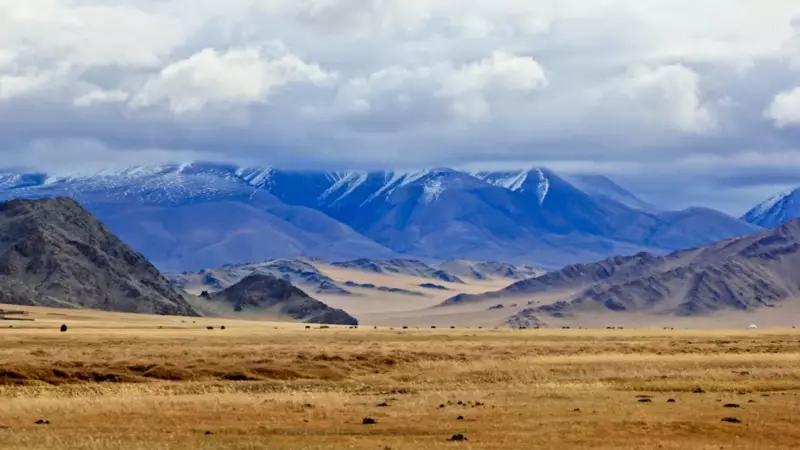
For Indian travellers yearning for vast, open skies, rugged landscapes, and a deep connection with nomadic culture, Mongolia stands as an unparalleled destination. Far from the crowded tourist trails of Europe or Southeast Asia, this Central Asian nation offers raw, untamed beauty and a unique glimpse into a way of life harmonised with nature. If you are planning an epic journey, here are six essential places you need to visit in Mongolia.
Ulaanbaatar: The Dynamic Capital Gateway
Your Mongolian adventure will likely begin in Ulaanbaatar, the country's bustling capital. This city is a fascinating blend of traditional and modern, where Soviet-era architecture sits alongside gleaming skyscrapers and ancient Buddhist monasteries. A key highlight is the Gandantegchinlen Monastery, a still-active centre of Tibetan Buddhism that houses a magnificent 26.5-meter-high statue of Migjid Janraisig (Avalokiteshvara).
To deeply understand Mongolia's rich history, the National Museum of Mongolia is indispensable. Its exhibits take you on a chronological journey from prehistoric times through the great Mongol Empire to the modern democratic era. Before heading into the wilderness, immerse yourself in the city's cultural scene by catching a traditional throat singing and folk dance performance, a perfect prelude to the country's soul.

The Iconic Gobi Desert: A Landscape of Extremes
No trip to Mongolia is complete without experiencing the awe-inspiring Gobi Desert, one of the world's most famous arid regions. Contrary to popular belief, the Gobi is not just endless sand dunes; it's a diverse ecosystem of rocky mountains, steppes, and dramatic canyons. The Khongor Sand Dunes, also known as the "Singing Sands," are a spectacular sight, with some dunes reaching heights of over 300 meters.
Another must-see within the Gobi is the Flaming Cliffs (Bayanzag), a site of global paleontological significance. It was here that American explorer Roy Chapman Andrews discovered the first dinosaur eggs in the 1920s. The cliffs glow a deep red at sunset, living up to their fiery name. For a touch of unexpected beauty, visit the Yolyn Am (Vulture's Mouth) gorge, a deep and narrow canyon in the Gurvan Saikhan Mountains where ice can often linger well into the summer months.
Karakorum and the Erdene Zuu Monastery
Delve into Mongolia's imperial past by visiting Karakorum (Kharkhorin), the ancient capital of Genghis Khan's vast Mongol Empire. Although the city itself was largely destroyed, its legacy is kept alive by the remarkable Erdene Zuu Monastery. Built in 1585 using stones from the ruins of Karakorum, it is considered the oldest surviving Buddhist monastery in Mongolia.
The monastery complex is surrounded by a massive wall with 108 stupas and houses several beautiful temples with exquisite Buddhist artwork. Nearby, the modern Karakorum Museum provides excellent context with artefacts and exhibits detailing the area's history. Standing amidst these historic structures, you can almost feel the echoes of a time when this was the centre of the known world.
Lake Khövsgöl: Mongolia's "Dark Blue Pearl"
For a complete change of scenery, head north to Lake Khövsgöl, one of the largest and purest freshwater lakes in Asia. Often called Mongolia's "Dark Blue Pearl," it contains over 70% of the country's fresh water and is connected to the mighty Lake Baikal in Siberia via rivers. The crystal-clear water, surrounded by lush pine forests and majestic mountains, is perfect for kayaking, fishing, and hiking.
The region is home to the Tsaatan (Reindeer Herder) communities, one of the last groups of people who herd reindeer in the world. Visiting them offers a rare insight into an incredibly unique and sustainable nomadic lifestyle. Whether you camp by its serene shores in summer or witness it transform into a frozen highway for vehicles in winter, Lake Khövsgöl's beauty is mesmerising.

Terelj National Park and the Genghis Khan Statue Complex
Easily accessible from Ulaanbaatar, Gorkhi-Terelj National Park is a favourite getaway for both locals and tourists. Its stunning alpine scenery of flower-dotted meadows, bizarre rock formations like the famous "Turtle Rock," and winding rivers is ideal for trekking, horse riding, and simply relaxing in a traditional ger (yurt) camp.
A short drive from the park lies the monumental Genghis Khan Statue Complex at Tsonjin Boldog. This 40-meter-tall stainless steel statue of the great emperor on horseback is the tallest equestrian statue in the world. Visitors can take an elevator up to the horse's head for a panoramic view of the vast steppe. The complex also includes an excellent museum dedicated to the history of the Mongol Empire and its khans.
Amarbayasgalant Monastery: An Architectural Jewel
For those willing to venture off the beaten path, the Amarbayasgalant Monastery is a hidden gem. Located in the Iven Valley, about 360 km from Ulaanbaatar, it is one of the three largest Buddhist monastic centres in Mongolia. Built between 1727 and 1736 in a distinct Chinese-Manchurian style, it was dedicated to the first Bogd Gegeen Zanabazar, a revered religious leader.
Despite significant damage during the political purges of the 1930s, the monastery has been partially restored. Its remote setting, symmetrical layout, and elegant architecture set against a backdrop of rolling hills create an atmosphere of profound peace and spirituality. The journey to Amarbayasgalant is an adventure in itself, offering a glimpse of rural Mongolian life far from any tourist crowds.
Mongolia is a land that demands to be felt as much as seen. It's about the silence of the desert, the hospitality of nomadic families in their gers, the taste of salty milk tea, and the boundless freedom of the steppe. These six destinations provide a framework for an unforgettable journey into the heart of a country that continues to captivate the adventurous spirit of travellers from India and around the world.