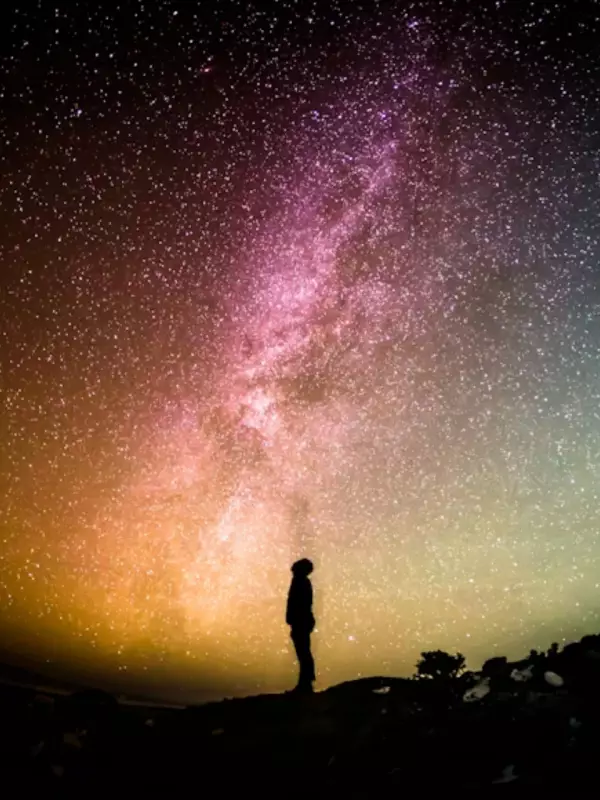
For urban dwellers, the true majesty of a star-studded night sky is often just a memory, obscured by the relentless glow of city lights. However, a growing trend of astro-tourism is leading travellers to the world's most remote corners, where darkness is a treasured resource and the cosmos puts on a nightly spectacle. These villages, far from the hum of civilisation, offer front-row seats to the universe.
San Pedro de Atacama, Chile: A Gateway to the Cosmos
Nestled in the heart of the Atacama Desert, the driest place on Earth, San Pedro de Atacama serves as a base for unparalleled astronomical exploration. The village's high altitude, clear skies, and minimal light pollution create ideal conditions. Visitors can embark on tours to the nearby ALMA Observatory, a massive radio telescope array, or simply gaze upward from the Moon Valley, where the landscape feels otherworldly. The Milky Way here is not just visible; it is a brilliant, dense river of light that dominates the heavens.
Rjukan, Norway: A Town That Mirrors the Stars
The Norwegian village of Rjukan has a unique relationship with darkness. Situated in a deep valley, it historically spent six months a year in shadow, without direct sunlight. While giant mirrors now beam sunlight to the town square in winter, the community has embraced its dark skies by becoming Norway's first certified Dark Sky Park. The absence of light pollution, combined with its northern latitude, makes it a prime location for witnessing the ethereal glow of the Aurora Borealis (Northern Lights) and, during the polar night, endless starry vistas.

Shirakawa-go, Japan: Starlight Over Gassho-Zukuri
This UNESCO World Heritage site in Japan is famed for its traditional gassho-zukuri farmhouses, with steep thatched roofs designed to withstand heavy snow. By night, Shirakawa-go transforms. The village consciously limits artificial lighting to preserve its historical ambiance and night sky. Against the backdrop of these ancient structures, the stars shine with remarkable clarity, offering a beautiful fusion of cultural heritage and natural wonder. The seasonal changes, from snowy winters to green summers, provide varied and stunning frames for the celestial display.
Nazare, Portugal: Where Ocean Meets the Universe
While famous for its gigantic waves, the coastal town of Nazaré in Portugal also boasts exceptionally dark skies just a short distance from its centre. The vast expanse of the Atlantic Ocean to the west minimises light pollution, creating a dark canvas overhead. Stargazers can set up on the cliffs or beaches to watch constellations rise from the sea. The combination of the sound of crashing waves and the silent, twinkling cosmos makes for a profoundly peaceful and awe-inspiring experience.
Hawaiian Islands, USA: Summit Secrets for Stellar Views
Beyond the resorts of Hawaii lie remote villages and high-altitude areas that are sanctuaries for astronomers. Locations like the summit of Haleakalā on Maui or the slopes of Mauna Kea on the Big Island host some of the world's most advanced observatories. While the summits themselves are restricted, nearby towns such as Waimea offer guided stargazing tours. The isolated position in the middle of the Pacific Ocean ensures the air is stable and clear, providing views of celestial objects, including the Southern Cross, with breathtaking detail.
The Growing Allure of Astro-Tourism
The appeal of these destinations underscores a global desire to reconnect with the natural world's most fundamental rhythms. Communities in these remote villages are often at the forefront of dark sky preservation efforts, recognising the value of their unpolluted nights for both science and sustainable tourism. For travellers, a trip to these locales is more than a holiday; it is a humbling reminder of our place in a vast universe, an experience that stays with you long after you return to the city lights.