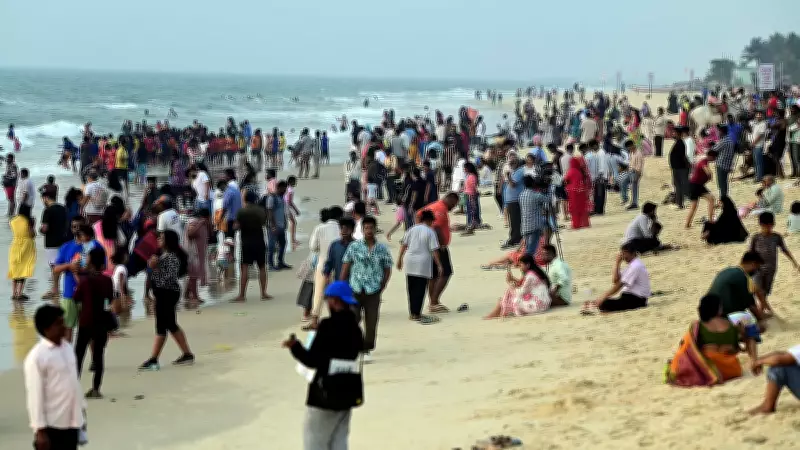
Tourist Footfall Sees Remarkable Rise in Coastal Karnataka Districts
The picturesque coastal districts of Dakshina Kannada and Udupi in Karnataka are witnessing a substantial surge in tourist arrivals, with both religious sites and natural attractions drawing significant crowds. This upward trend highlights the region's growing appeal as a diverse tourism destination, combining spiritual experiences with scenic beauty.
Temples and Beaches Drive Increased Visitor Numbers
Historical temples and pristine beaches have emerged as the primary magnets for tourists flocking to these districts. The blend of cultural heritage and coastal charm offers visitors a unique experience, contributing to the notable rise in footfall. Local authorities report that weekends and holidays see particularly high numbers, with families and pilgrims forming a large portion of the visitors.
Infrastructure Challenges Highlighted by Tourism Promoter
Despite the positive trend, tourism promoter Yathish Baikampady has pointed out significant infrastructure shortcomings that threaten to hinder sustainable growth. Baikampady emphasized that the current infrastructure has not kept pace with the expanding tourism sector, creating one of the major challenges for the industry.

The lack of adequate facilities, including transportation, accommodation, and basic amenities, could potentially limit the region's tourism potential if not addressed promptly. This concern underscores the need for coordinated development efforts to support the increasing visitor numbers.
Balancing Growth with Sustainable Development
The rising tourist footfall presents both opportunities and challenges for Dakshina Kannada and Udupi. While the economic benefits are evident, there is a pressing need to:
- Enhance transportation networks to handle increased traffic
- Develop better accommodation options for diverse visitor needs
- Improve sanitation and waste management systems
- Preserve the natural and cultural heritage sites from overcrowding
Local stakeholders are calling for strategic planning to ensure that tourism growth does not compromise the very attractions that draw visitors to these beautiful coastal districts.