When Souvenir Hunting Goes Too Far: The Strangest Items Tourists Steal
For most travelers, souvenirs represent cherished memories captured in postcards, local crafts, or decorative magnets. However, a disturbing trend has emerged at heritage sites and natural wonders across the globe where visitors are taking home far more than conventional mementos. Authorities worldwide are grappling with tourists who attempt to walk away with pieces of history, protected natural resources, and even public infrastructure itself.
What makes these thefts particularly alarming is that many involve objects that are ancient, legally protected, or clearly irreplaceable. Often taken "just as a small memory" or personal keepsake, these stolen items collectively cause significant damage to archaeological sites, delicate ecosystems, and historic urban landscapes. In some remarkable cases, guilt manifests years later, leading to stolen artifacts being anonymously mailed back to their original locations with accompanying apology letters.
The Sand Thieves: When Beaches Lose Their Foundation
Stealing sand might initially sound harmless, but this practice has become such a widespread problem that destinations like Sardinia have implemented strict criminal penalties. Tourists have been apprehended carrying jars, bottles, and even entire suitcase-loads of sand taken from protected beaches. Authorities emphasize that the cumulative impact of thousands of visitors removing small amounts each year has led to visible coastal erosion and environmental degradation.

In Sardinia, fines can reach thousands of euros, with confiscated sand often publicly displayed as a deterrent. Similar restrictions exist in Hawaii, where removing sand and coral is strictly illegal to protect fragile coastal ecosystems that support unique marine life and maintain beach stability.
Historical Monuments Under Siege: Bricks and Stones Disappear
Sections of China's Great Wall have suffered extensive damage not only from natural erosion but also from persistent human interference. Tourists have repeatedly been caught removing bricks and stones, particularly from less monitored stretches of this ancient marvel. While some take them as souvenirs, others mistakenly believe loose bricks are unimportant remnants.
Chinese authorities have long warned that even removing a single brick contributes to the gradual destruction of this UNESCO World Heritage site. The message is clear: take photographs, not physical pieces of history.
Pompeii's Paradox: Stolen and Returned Artifacts
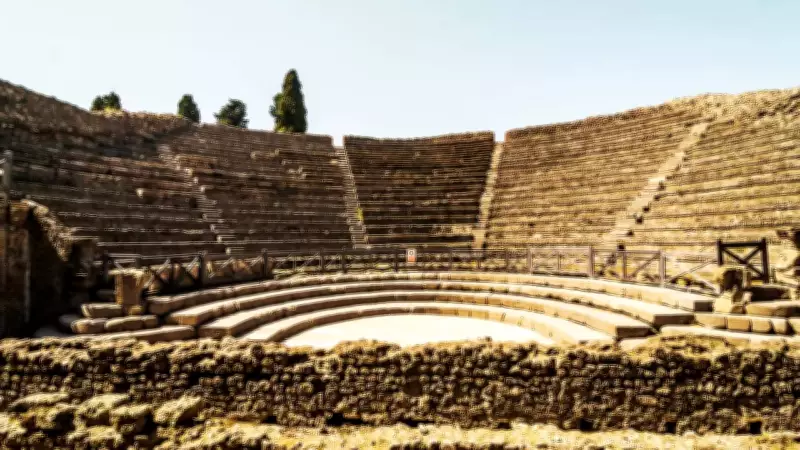
Pompeii stands as perhaps the world's most infamous source of both stolen souvenirs and returned artifacts. For decades, tourists have taken small stones, fragments, or pieces of plaster from this ancient Roman city frozen in time by volcanic ash. Interestingly, archaeological authorities regularly receive packages mailed back anonymously, often accompanied by letters explaining feelings of guilt, fear of bad luck, or profound regret.
Berlin Wall Fragments: History in Pieces
Following the fall of the Berlin Wall in 1989, visitors flocked to witness this powerful symbol of division's collapse. Many chipped away chunks of concrete as historical keepsakes during the early days of the wall's dismantling. While some fragments were later sold officially as memorabilia, large numbers were taken illegally.
The irony today is that while millions of wall fragments circulate worldwide, the original structure has become increasingly rare, largely because so many people wanted to own a piece of this significant historical monument.
Rome's Disappearing Streets: Ancient Cobblestones Targeted
Rome's historic streets have been quietly shrinking, one stone at a time. Tourists have been caught attempting to steal ancient cobblestones, some dating back centuries. Italian authorities regularly warn visitors that removing even a single stone constitutes theft of cultural heritage. These cobblestones are legally protected, and offenders can face substantial fines or criminal prosecution for damaging Italy's archaeological patrimony.

National Parks Plundered: Fossils and Petrified Wood
In the United States, national parks like Yellowstone and Petrified Forest National Park confront a persistent problem: visitors stealing fossils, rocks, and petrified wood. Despite clear signage explaining that removing natural objects violates federal law, thousands of items are confiscated annually.
Park officials note that many visitors underestimate the seriousness of these offenses. Removing fossils disrupts ongoing scientific study and permanently alters protected landscapes meant to remain untouched for future generations to experience and study.
This global phenomenon raises important questions about tourism ethics and heritage preservation. While the desire for meaningful souvenirs is understandable, the collective impact of these thefts causes irreversible damage to sites that belong to humanity's shared cultural and natural heritage. Responsible tourism means leaving only footprints and taking only photographs, ensuring these remarkable places remain intact for generations to come.