Lucknow: In a bid to reposition Uttar Pradesh's tourism beyond monuments and pilgrimage circuits, the state government is planning to establish 'Parampara' centres. These centres are designed to come up as immersive cultural hubs, showcasing the state's rich living heritage through crafts, cuisine, and storytelling.
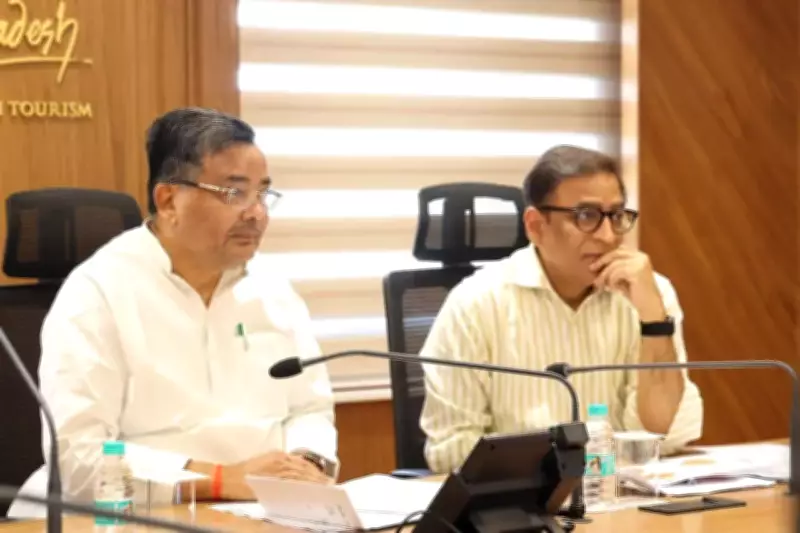
"The proposed initiative, part of the state's broader tourism strategy, aims to offer visitors a one-stop experience of Uttar Pradesh's diverse cultural traditions," said Amrit Abhijat, additional chief secretary of the UP tourism and culture departments. "From regional culinary practices and artisan crafts to folk narratives and community knowledge systems, the centres are envisioned as interactive spaces where heritage is experienced rather than merely observed," he added.
To be rolled out as part of the 'Visit My State' campaign, the initiative seeks to encourage travellers to engage with the state's cultural identities and everyday traditions. "Unlike conventional museums, Parampara centres will allow visitors to sample local cuisines, watch artisans at work, and explore the histories behind traditional practices in an accessible and contemporary format," he said.

The centres are expected to reflect the distinct character of various regions. These could include Awadhi cuisine in Lucknow, weaving traditions in Varanasi, brass craftsmanship in Moradabad, terracotta art in Gorakhpur, and the folk cultures of Bundelkhand and the Terai belt. Each centre will serve as a cultural gateway, introducing visitors to the unique heritage of its location.
Tourism and culture minister Jaiveer Singh said the state's living traditions must take centre stage in the tourism experience. "Travellers today are looking for authenticity. Parampara centres will enable them to connect with the cultural soul of Uttar Pradesh while also generating livelihoods for artisans and local communities," he said.
Experts believe the move could strengthen experiential tourism by creating cultural touchpoints that complement major destinations such as Ayodhya, Kashi, Mathura, Prayagraj, Agra, and Lucknow. By bringing crafts, people, and cultural practitioners into the tourism value chain, the initiative is also expected to boost local economies and provide greater market access to traditional industries.
Officials said the project signals a shift in tourism planning, placing equal emphasis on living traditions alongside historical landmarks and positioning Uttar Pradesh as a destination for immersive cultural experiences.