Uttarakhand Expands Mountaineering Access with Opening of 83 Himalayan Peaks
In a significant boost to adventure tourism, the state of Uttarakhand has officially opened 83 mountain peaks in the Garhwal and Kumaon Himalayan regions for mountaineering expeditions. This strategic move expands access to several high-altitude summits that were previously restricted, creating new opportunities for climbers and local communities alike.
Implementation and Coordination
The initiative has been implemented by the Uttarakhand Tourism Development Council in close coordination with the Forest Department. This collaborative approach ensures that both tourism development and environmental conservation are prioritized in the management of these pristine mountain areas.
Peak Specifications and Technical Challenges
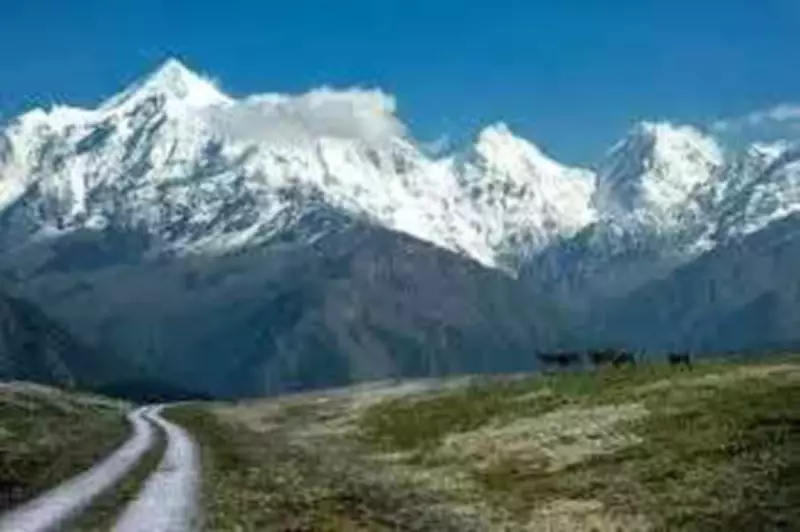
The newly accessible peaks range in elevation from 5,700 metres to 7,756 metres, encompassing some of the most renowned mountains in the Indian Himalayas. The list includes:

- Kamet (7,756 metres)
- Nanda Devi East
- Chaukhamba
- Trishul
- Shivling
- Satopanth
- Changabang
- Panchachuli
- Neelkanth
These mountains are considered technically challenging and have traditionally attracted experienced climbers from across India and around the world. The opening of these peaks is expected to further enhance Uttarakhand's reputation as a premier mountaineering destination.
Revised Fee Structure and Financial Benefits
Under the new policy framework, Indian mountaineers will enjoy substantial financial benefits. They will no longer be required to pay expedition-related charges including:
- Peak fees
- Camping fees
- Environmental charges
Previously, these fees were collected by both the Indian Mountaineering Foundation and the Forest Department. For foreign mountaineers, additional state-level charges have been eliminated. International climbers will now pay only the fees prescribed by the Indian Mountaineering Foundation, simplifying the financial requirements for expeditions.
Streamlined Application Process
All applications for mountaineering expeditions will now be submitted through the newly established Uttarakhand Mountaineering Permission System. This online portal has been specifically designed to handle approvals digitally, creating a more efficient and transparent process for climbers seeking permission for Himalayan expeditions.
Economic Impact and Community Benefits
The decision is expected to significantly increase tourism activity in remote and border villages throughout Uttarakhand. Local residents stand to benefit through various employment opportunities including:
- Working as mountain guides
- Serving as porters for expeditions
- Operating homestays for climbers
- Providing transportation services
This economic boost could help sustain traditional mountain communities while providing valuable income sources in regions with limited employment options.
Safety and Environmental Regulations
Officials have emphasized that all expeditions will be required to follow strict safety guidelines and environmental norms. Mountaineers must adhere to comprehensive waste management rules and the "Leave no trace" principle to protect the fragile Himalayan ecosystem. These measures are crucial for maintaining the ecological balance of these sensitive high-altitude environments.
Broader Tourism Development Context
This initiative aligns with broader national efforts to promote adventure tourism in India's hill states. Separately, the Union Budget 2026–27 has announced plans to develop eco-friendly mountain trails in Uttarakhand, Himachal Pradesh, and Jammu and Kashmir. These complementary developments signal a coordinated approach to sustainable tourism development across India's Himalayan regions.
The opening of these 83 peaks represents a landmark decision that balances adventure tourism promotion with environmental stewardship and community development. As Uttarakhand positions itself as a global mountaineering destination, these measures could serve as a model for sustainable adventure tourism development in other Himalayan regions.