

West Asia Conflict Resigns Indian Travel Map, Sparks Surge in New Destinations
The persistent and escalating conflict in West Asia is fundamentally transforming the travel landscape for Indian tourists, compelling a major shift away from traditional hotspots and towards emerging alternative destinations. This geopolitical turmoil is not just a temporary blip but a significant redrawing of the global travel map, with profound implications for the tourism industry and Indian travelers' preferences.
Shift from Traditional Hotspots to Alternative Havens
Indian tourists, who previously flocked to popular West Asian destinations like the United Arab Emirates (UAE), Saudi Arabia, and Oman, are now increasingly steering clear due to safety concerns and travel advisories linked to the regional conflict. This exodus is driving a notable surge in bookings and interest for other international locales that offer similar attractions—such as beaches, cultural experiences, and luxury amenities—but with perceived greater stability.
Key alternative destinations witnessing a sharp uptick include:

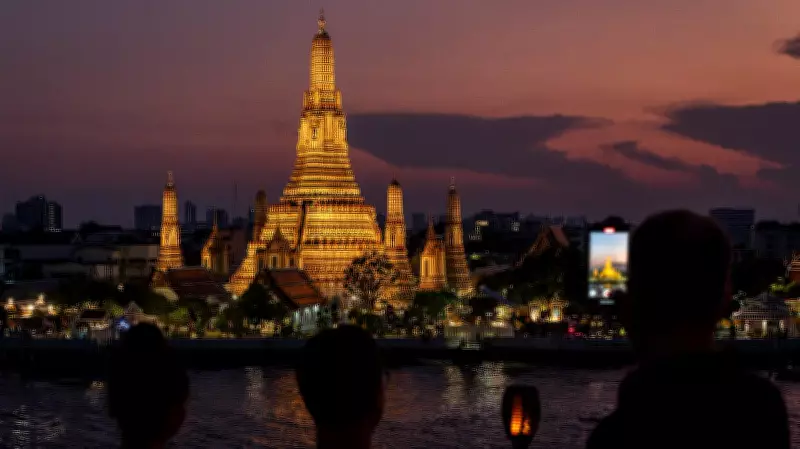
- Vietnam and Thailand: These Southeast Asian nations are becoming top choices, thanks to their vibrant cultures, affordable travel options, and robust tourism infrastructure.
- European countries like Greece and Italy: Offering historical richness and scenic beauty, they are attracting Indian travelers seeking diverse experiences.
- Other Asian spots such as Malaysia and Singapore: Known for their safety and family-friendly environments, they are gaining popularity as reliable alternatives.
Impact on the Tourism Industry and Economic Ripples
This redirection of Indian travel is sending shockwaves through the tourism sector. Airlines and travel agencies are swiftly adapting by increasing flight frequencies and crafting tailored packages to these new destinations. The conflict has disrupted traditional revenue streams from West Asia, prompting industry players to innovate and diversify their offerings to capture the shifting demand.
The economic implications are multifaceted: While West Asian tourism hubs may face short-term losses, the surge in travel to alternative regions could boost local economies there, creating new opportunities for growth. Indian travelers, on their part, are benefiting from competitive pricing and enhanced services as providers vie for their attention in this evolving market.
Future Outlook and Adaptations in Travel Trends
Looking ahead, the conflict in West Asia is likely to have lasting effects on Indian travel patterns. Experts predict that even if the situation stabilizes, the preference for diverse and safer destinations may persist, reshaping long-term tourism strategies. Travel companies are expected to continue emphasizing flexibility, safety protocols, and unique experiences to cater to this new normal.
In summary, the West Asia conflict is not merely a geopolitical event but a catalyst for significant change in how Indians explore the world, driving a robust shift towards new destinations and prompting the tourism industry to adapt swiftly to these emerging trends.






