Why the Sahyadri Mountains Are Among Maharashtra's Most Spectacular Travel Destinations
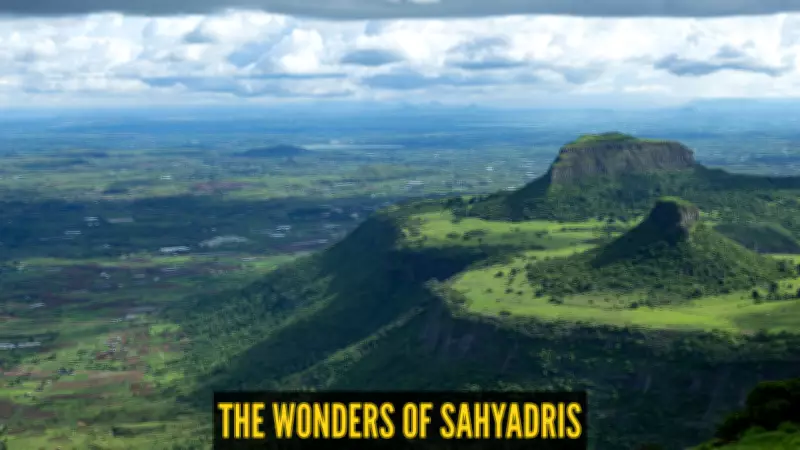
Stretching across western Maharashtra, the Sahyadri Mountains form a rugged spine that completely defines the region. It is easily one of the most stunning landscapes in India. Sheer cliff drops, peaks lost in the mist, dense jungles, and the ruins of ancient hill forts perched right on the edges are common sights. For centuries, these hills have dictated the local history, culture, and even the weather. Whether you are obsessed with history, love tracking down wildlife, or just want a solid weekend hike, you will find exactly what you are looking for.
Because they are a key part of the larger Western Ghats, which rightly holds UNESCO World Heritage status, you get a brilliant mix of natural beauty and historical grit. You could spend one day scrambling up a 400-year-old stone fortress and the next walking across flatlands absolutely covered in seasonal wildflowers. It is Maharashtra at its rawest and most beautiful.
History of the Sahyadris
Long before the forts were built, the landscape itself was born out of pure chaos. Millions of years ago, massive volcanic eruptions formed what geologists call the Deccan Traps. Over countless millennia, wind and water slowly eroded that volcanic rock, carving out the sheer basalt cliffs and flat-topped plateaus that make the Sahyadris so instantly recognisable today.

These hills have seen a lot of history. Long before we had modern motorways, ancient traders used mountain passes like Naneghat to move goods between the wealthy ports on the Konkan coast and the inland towns. If you visit Naneghat today, you can still spot inscriptions from the Satavahana period that give a brilliant sneak peek into life over 2,000 years ago.
The Sahyadris are most famous for their connection to Chhatrapati Shivaji Maharaj and the Maratha Empire. Spotting the sheer strategic brilliance of this tough terrain, Shivaji built an incredible network of forts across the peaks. Spots like Raigad, Rajgad, Pratapgad, Lohgad, and Shivneri still pull in huge crowds. Several Maratha forts, including Raigad, Rajgad, Shivneri and Pratapgad, have been proposed as part of the 'Maratha Military Landscapes of India' nomination for UNESCO World Heritage recognition.
What Makes the Sahyadris Special
It is not just about rocks and ruins; the Sahyadris are an ecological goldmine. Because they block the heavy, moisture-packed monsoon winds blowing in from the Arabian Sea, the region explodes into life during the rainy season, packed with lush forests, full rivers, and massive waterfalls.
The wildlife here is fantastic, too. You have got leopards, the Indian gaur (bison), giant squirrels, and absolutely loads of bird species. Keeping all of this safe are protected spots like the Chandoli National Park, and the Koyna and Radhanagari Wildlife Sanctuaries.
One of the absolute standout natural wonders is the Kaas Plateau near Satara. People often call it Maharashtra's Valley of Flowers. Visit between August and October, and you will find the whole plateau carpeted in hundreds of species of vibrant wildflowers, easily one of the most photographed sights in the state.
Experiences Travellers Should Not Miss
Whatever your travel style, the Sahyadris have you sorted:
- Trekking: This is huge here. Fort treks like Rajgad, Torna, Harishchandragad, and Lohgad mix proper adventure with fascinating historical ruins and brilliant views. Do not miss Harishchandragad's Kokankada cliff, it is famous for cracking sunsets and bizarre 'reverse waterfalls' during the monsoon.
- Wildlife spotting: Head over to the forests around Bhimashankar. It is a gorgeous wildlife sanctuary where you might just spot the Indian giant squirrel (locally called the Shekru).
- The Fireflies Festival: If you visit just before the monsoon hits (around Bhandardara and Purushwadi), you will catch thousands of fireflies lighting up the woods. It is a completely magical, natural light show.
How to Reach the Sahyadris
Getting here from Maharashtra's main cities is a breeze.
Mumbai and Pune are your best starting points, both boasting solid airport and railway connections. From either city, you can easily drive or catch a train into the mountains.

Lonavala and Khandala are great for getting into the central Sahyadri attractions. Nashik acts as the gateway to the northern ranges, including Kalsubai (Maharashtra's highest peak) and Satara is your basecamp for the Kaas Plateau. Taking a private car is usually the easiest way to get around, though the state transport buses do a surprisingly good job of linking up the smaller towns and villages.
Best Time to Visit
You can visit year-round, but what you get out of it depends entirely on the season.
- June to September (Monsoon): This is when the mountains look their most dramatic. Waterfalls are everywhere, the forests are a shockingly bright green, and clouds literally roll through the peaks. Just a heads up: the trekking trails can get incredibly slippery and tough.
- October to February: Easily the best time for most travellers. The weather is cool and pleasant and perfect for a long hike, sightseeing, or pitching a tent.
- Special events: Want to see the wildflowers at Kaas? Aim for late August to early October. After the fireflies? Late May and early June is your window.
Travel Tips for Visitors
The terrain here is not a walk in the park, especially when it is pouring with rain. You absolutely need decent trekking shoes, reliable waterproofs, and plenty of drinking water. Always check the local weather before heading out on a long trek, and do not be afraid to hire a local guide if you are not familiar with the route.
Also, please remember to be a responsible traveller. This is a highly sensitive environment, so do not leave your rubbish behind, respect the wildlife, and stick to the rules when you are in the protected areas.