The political landscape of Bangladesh and the broader South Asian region has lost a towering figure with the demise of former Prime Minister Begum Khaleda Zia. The news has prompted an outpouring of condolences from across the globe, including from prominent Indian figures deeply familiar with the region's dynamics.
A Diplomat's Tribute to a Political Stalwart
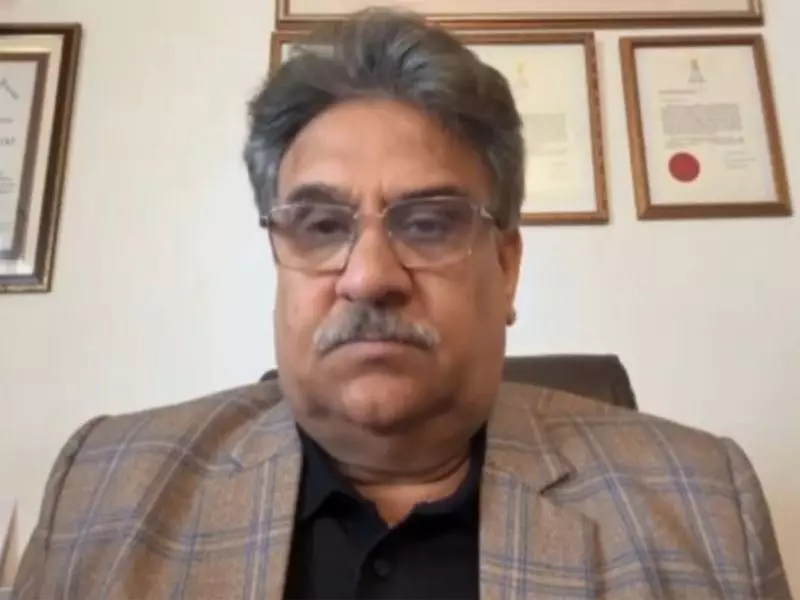
Among the first to offer heartfelt condolences was Anil Triguniyat, a former Indian diplomat with extensive experience in Bangladesh affairs. Triguniyat, who served as India's Deputy High Commissioner to Bangladesh, expressed his profound sorrow, stating that "an era is over" with her passing. His statement underscores the significant and enduring impact Khaleda Zia had on Bangladesh's political journey over several decades.
Khaleda Zia, who served as the Prime Minister of Bangladesh from 1991 to 1996 and again from 2001 to 2006, was a central figure in the nation's politics. She led the Bangladesh Nationalist Party (BNP) and was the widow of the country's former President, Ziaur Rahman, who founded the BNP. Her political career was marked by both significant development initiatives and intense rivalry, shaping the nation's democratic trajectory.

The Legacy and Trials of Khaleda Zia
Khaleda Zia's tenure witnessed substantial economic policies and infrastructural developments. However, her later years were clouded by legal challenges and health issues. She was convicted in multiple corruption cases, which her party and supporters have consistently denounced as politically motivated. Due to these convictions, she was barred from contesting elections and had been largely confined to her residence in Dhaka.
In recent years, her health had deteriorated significantly. She was diagnosed with various ailments, including liver cirrhosis, and had been receiving medical treatment at Evercare Hospital in Dhaka. Her physical condition had become a point of national concern, with her family seeking permission for advanced medical care abroad—a request that was not granted by the government.
Regional Repercussions and a Closing Chapter
The passing of Khaleda Zia is not merely a national event for Bangladesh but a moment of reflection for the entire subcontinent. As a key leader of one of Bangladesh's two major political parties, her life and career were inextricably linked to the region's complex political history. Figures like Anil Triguniyat, who have observed this history from a diplomatic vantage point, recognize her death as the closing of a definitive chapter.
Her demise leaves a substantial void in the opposition space of Bangladesh. The BNP, which has been navigating a challenging political environment, now faces the future without its most iconic leader. This transition could lead to a significant realignment within the party and the broader opposition landscape in the country.
The condolences from international observers highlight the deep interconnectedness of South Asian politics. The end of the era personified by Khaleda Zia marks a pivotal moment, prompting analysts to ponder the future contours of democracy and political discourse in Bangladesh and its relations with neighbours like India.