Archaeological Survey of India Issues Clarification on Temple Location Error
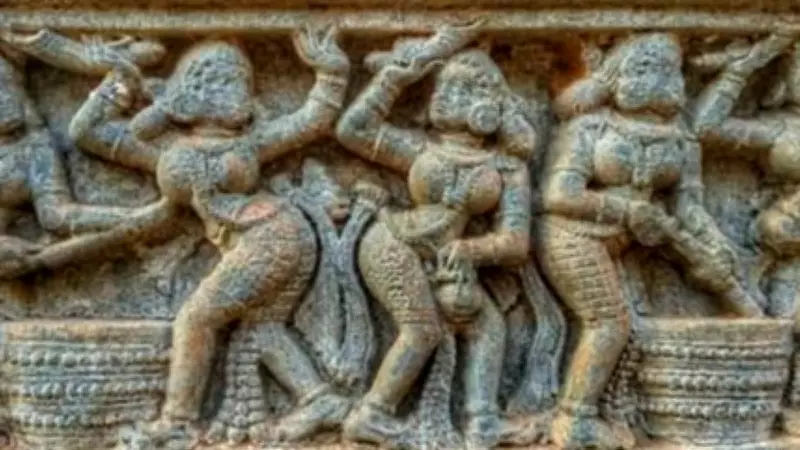
The Archaeological Survey of India (ASI) has been compelled to address a significant geographical mistake after a social media user highlighted an error in a 2023 Holi post. The post had incorrectly identified a temple located in the dense jungles of Karnataka as being situated in Ramgarh, Madhya Pradesh.
Social Media User Uncovers the Blunder
An X user, operating under the handle @nirbhaavuka, brought this error to public attention on March 5, 2026. The user expressed strong criticism, stating, "How colossally wrong can a Govt dept get? A temple deep in the jungles of Karnataka suddenly becomes Ramgarh in Madhya Pradesh. That takes some doing. Sheer ignorance and carelessness from @ASIGoI." This post included a link to the original erroneous content, which has since garnered significant attention online.
ASI's Response and Clarification
In response to this public outcry, the Archaeological Survey of India has officially clarified the mistake. The department acknowledged that the temple in question is indeed located in Karnataka, not Madhya Pradesh. This correction aims to set the record straight and address concerns about accuracy in governmental communications.

The incident has sparked discussions about the importance of meticulous fact-checking, especially for official bodies like the ASI, which is responsible for preserving and documenting India's rich cultural heritage. The error, described by critics as a result of "sheer ignorance and carelessness," has raised questions about the verification processes within the department.
Broader Implications for Government Accountability
This episode underscores the critical role of social media in holding government agencies accountable. Users like @nirbhaavuka are increasingly vigilant in spotting and calling out inaccuracies, forcing departments to issue timely corrections. The ASI's swift clarification demonstrates a commitment to transparency, albeit after the fact.
The temple, situated in the Shivamogga district of Karnataka, holds historical and cultural significance, making accurate representation essential. Such errors can potentially mislead researchers, historians, and the general public, emphasizing the need for rigorous standards in all official publications.
As digital communication becomes more prevalent, this incident serves as a reminder for all governmental and cultural institutions to enhance their fact-checking protocols to avoid similar blunders in the future.