

Baby Born Mid-Flight Ignites Citizenship Controversy During Birthright Hearing
In a remarkable incident coinciding with ongoing legal debates over birthright citizenship, a passenger gave birth during a flight to the United States, sparking intense discussions about whether the newborn automatically qualifies as a US citizen. The passenger, whose identity remains undisclosed, was traveling from Jamaica to New York City when she went into labor near the US East Coast.
In-Flight Emergency and Air Traffic Controller's Joke
No emergency was declared as the aircraft approached John F. Kennedy International Airport (JFK). However, the situation prompted a lighthearted exchange between the pilot and air traffic control. According to reports, the pilot alerted JFK about the pregnant passenger in labor. The air traffic controller inquired if medical teams would be needed upon arrival, asking, "Is it out yet?" and jokingly suggested, "Tell her she’s got to name it Kennedy."
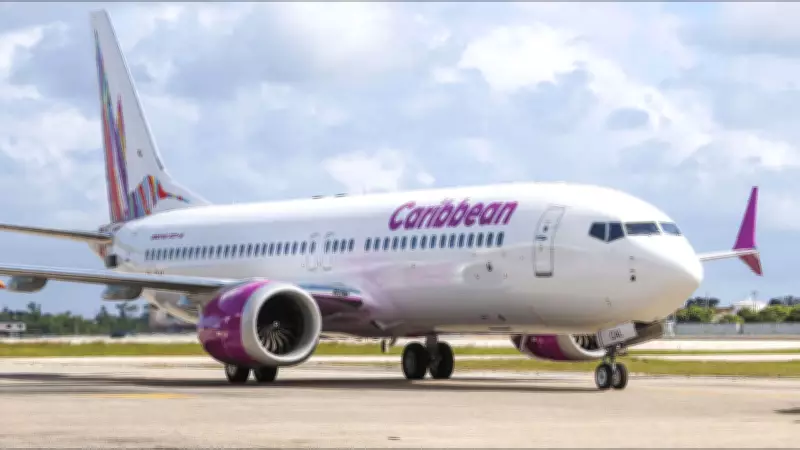
Caribbean Airlines confirmed the event, praising the crew's professionalism. In a statement, the airline said, "The airline commends the professionalism and measured response of its crew, who managed the situation in accordance with established procedures, ensuring the safety and comfort of all onboard."

Legal Complexities of Citizenship Based on Birth Location
Immigration lawyer Brad Bernstein highlighted the unique and rare nature of this case, emphasizing that every minute is critical. He explained, "If the baby was born in US airspace, then under the 14th Amendment and State Department Regulations, that child is automatically a US citizen. But if the baby was born even a few minutes earlier, outside the United States airspace, not a US citizen. Same flight, same parents, completely different outcome."
Bernstein further elaborated on potential complications, noting, "A Caribbean Airlines plane doesn't make the baby a Caribbean national, whatever country that airline is from. And here's where it even gets crazier. If that birth happens over international waters and the parents' country doesn't automatically pass citizenship to that child, that baby could actually be stateless. No country, no passport, nothing."
Adding another layer of complexity, Bernstein pointed out that even if the birth occurs in the air, the birth certificate is typically issued at the landing location, which in this case is New York City.
Rarity of In-Flight Births and Airline Policies
Births during flights are exceptionally uncommon, as airlines generally restrict pregnant women from flying after a certain gestational period. According to the US National Library of Medicine, only 74 babies were born on planes between 1929 and 2018.
Caribbean Airlines reportedly allows pregnant passengers to travel without medical clearance until the 32nd week of pregnancy and prohibits flying after the 35th week, underscoring the unusual circumstances of this incident.






