Balen Shah's Meteoric Rise in Nepal: How a Newcomer Outshone Veterans
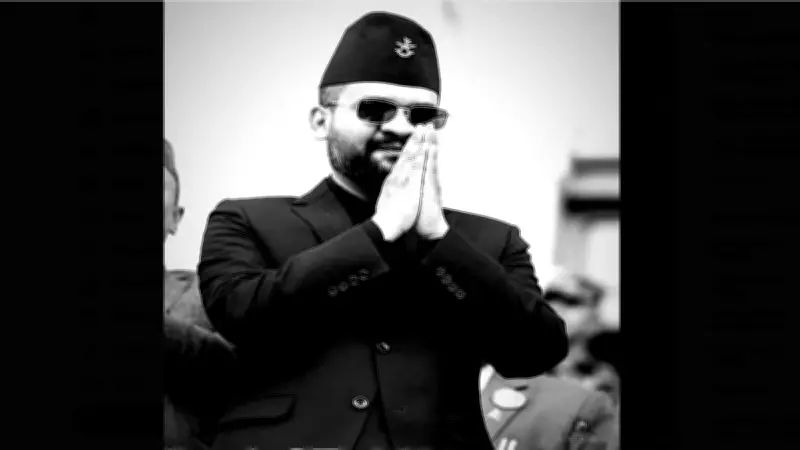
In a stunning political development, Balen Shah has achieved a rocket-like rise to power in Nepal within just four years, capturing national attention and reshaping the political landscape. His journey from a relative unknown to a prominent figure has left many veterans floundering, raising questions about the shifting dynamics in Nepalese governance.
The Unprecedented Ascent of Balen Shah
Balen Shah's entry into politics was marked by a grassroots campaign that resonated deeply with the youth and urban populations. Leveraging social media and direct public engagement, he built a formidable support base that traditional parties underestimated. His platform focused on anti-corruption, infrastructure development, and transparent administration, which struck a chord with citizens weary of established political elites.
Within a short span, Shah managed to secure key positions, most notably as the Mayor of Kathmandu, a role that has given him significant influence over Nepal's capital and its economic hub. His ability to connect with voters on local issues, combined with a charismatic persona, has been pivotal in his rapid climb. Analysts note that his rise reflects a broader trend of disillusionment with veteran politicians who have long dominated Nepalese politics.

Why Veteran Politicians Flopped
The failure of veteran politicians to counter Balen Shah's rise can be attributed to several factors. Firstly, many established leaders were perceived as out of touch with the evolving aspirations of Nepal's younger demographic. Their reliance on traditional party machinery and patronage networks proved ineffective against Shah's modern, issue-based campaigning.
Secondly, internal divisions and corruption scandals within major political parties eroded public trust, creating a vacuum that Shah adeptly filled. Veterans struggled to adapt to the changing political environment, where transparency and accountability have become paramount for voters. This has led to a significant erosion of their electoral base, particularly in urban areas where Shah's influence is strongest.
Moreover, the veterans' inability to address pressing issues such as unemployment, infrastructure deficits, and bureaucratic inefficiencies further alienated the electorate. In contrast, Shah's focus on tangible solutions and his background as a professional outside the political establishment gave him a credibility edge that resonated with a populace seeking change.
India-Nepal Relations Remain Solid
Despite the political upheaval, India-Nepal ties have remained robust and stable. Balen Shah has consistently emphasized the importance of maintaining strong bilateral relations with India, recognizing its role as a key economic and strategic partner for Nepal. His administration has actively engaged in dialogue to enhance cooperation in areas such as trade, energy, and infrastructure development.
India has responded positively to Shah's leadership, viewing his rise as an opportunity to strengthen ties with a new generation of Nepalese leaders. High-level visits and diplomatic exchanges have continued unabated, underscoring the mutual commitment to a partnership built on shared interests and historical connections. This continuity in relations highlights the resilience of the bilateral framework, even amidst domestic political changes.
Experts suggest that Shah's pragmatic approach to foreign policy, which balances national sovereignty with regional cooperation, has helped sustain the solid India-Nepal relationship. His focus on economic development aligns with India's interests in promoting stability and growth in the region, fostering a collaborative environment that benefits both nations.
Implications for Nepal's Future
Balen Shah's rise signals a potential shift in Nepal's political paradigm, where merit and public service may gain precedence over party loyalty and legacy. His success could inspire other newcomers to enter politics, challenging the dominance of veteran figures and promoting a more dynamic and responsive governance model.

However, challenges remain, including the need to deliver on campaign promises and navigate complex political alliances. Shah's ability to sustain his momentum will depend on his performance in office and his capacity to address the multifaceted issues facing Nepal, from economic development to social equity.
In conclusion, Balen Shah's rocket rise to power in just four years has not only overshadowed veterans but also reinforced the stability of India-Nepal relations. As Nepal charts its future, his leadership will be closely watched for its impact on domestic politics and international partnerships.