

Bangladesh's 2026 Election: A High-Stakes Political Showdown
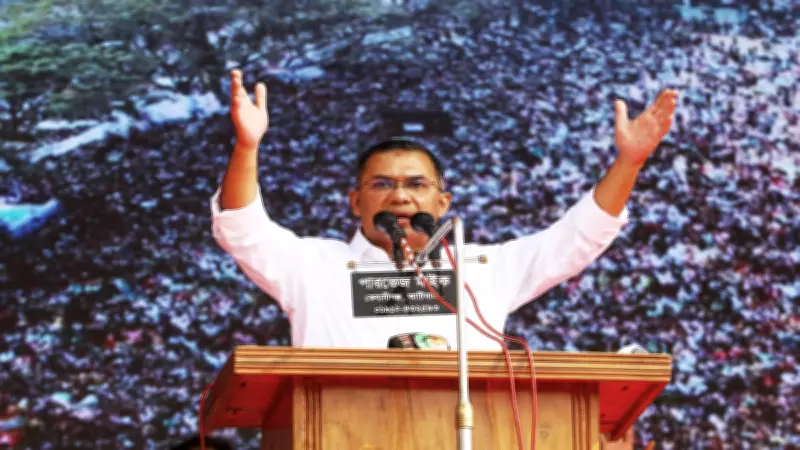
The political landscape in Bangladesh is heating up as the country approaches its next general election scheduled for 2026. All eyes are on the Bangladesh Nationalist Party (BNP) and its acting chairman, Tarique Rahman, who is positioning himself to challenge the long-standing rule of Prime Minister Sheikh Hasina and her Awami League government.
The Rise of Anti-Incumbency Sentiment
Political analysts are observing a growing wave of discontent against the current administration, which has been in power since 2009. Many citizens express frustration over economic challenges, governance issues, and perceived democratic backsliding. This anti-Hasina sentiment presents a significant opportunity for opposition forces to mobilize support ahead of the crucial 2026 polls.
Tarique Rahman's Political Journey
Tarique Rahman, the elder son of former Prime Minister Khaleda Zia, has been a prominent figure in Bangladeshi politics despite living in exile in London since 2008. He faces multiple legal convictions in Bangladesh, which his supporters claim are politically motivated. As the acting chairman of BNP, Rahman has been actively coordinating party strategies and maintaining communication with grassroots supporters through digital platforms.

- Overcoming his legal hurdles and potential disqualification from contesting elections
- Uniting a fragmented opposition against the well-organized Awami League machinery
- Addressing concerns about his extended absence from the country during the campaign period
- Formulating a compelling alternative governance vision to counter Hasina's development narrative
Sheikh Hasina's Political Fortress
Prime Minister Sheikh Hasina, now in her fourth consecutive term, commands substantial political capital through her party's organizational strength and a track record of economic development initiatives. The Awami League has consistently emphasized infrastructure projects, digital transformation, and poverty reduction programs as key achievements that resonate with many voters.
However, critics point to concerns about democratic institutions, press freedom, and human rights under her administration—issues that the opposition hopes to amplify in the coming electoral battle.
The Electoral Landscape and International Dimensions
The 2026 election will unfold against a backdrop of significant regional and global interest. Bangladesh's strategic location and economic growth have made it an important player in South Asian geopolitics. International observers will closely monitor the electoral process, particularly after controversies surrounding previous elections.
Factors That Could Influence the Outcome:- The effectiveness of opposition coalition-building efforts
- Youth voter mobilization in a country with a large demographic under 35
- Economic performance and inflation control in the pre-election period
- The role of civil society and media in shaping public discourse
- Potential international pressure for free and fair elections
Road to 2026: What Lies Ahead
As both major political formations prepare for the electoral contest, the coming months will likely see intensified political maneuvering. The BNP under Tarique Rahman's leadership must demonstrate organizational revival and present a credible alternative to voters weary of one-party dominance. Meanwhile, Sheikh Hasina's Awami League will work to consolidate its support base while addressing governance criticisms.
The 2026 Bangladesh election represents more than just a change of government—it could signal a fundamental shift in the country's political trajectory. Whether Tarique Rahman can successfully ride the anti-Hasina wave to form the next government remains one of South Asia's most compelling political questions as the election year approaches.






