

Bangladesh's 2024 General Election: A Comprehensive Overview of Contenders and Historical Context
The upcoming general election in Bangladesh, scheduled for 2024, is poised to be a pivotal moment in the nation's democratic journey. This electoral process will see a diverse array of political parties vying for power, with the ruling Awami League and the opposition Bangladesh Nationalist Party (BNP) at the forefront of the contest. Understanding the key players and reviewing the outcomes of the last three elections provides crucial insights into the current political landscape and potential future directions.
Major Political Parties Contesting the 2024 Election
Several prominent political entities are expected to participate in the 2024 Bangladesh general election, each bringing distinct ideologies and voter bases to the table.
- Awami League: Led by Prime Minister Sheikh Hasina, the Awami League is the current ruling party, known for its secular and progressive policies. It has been in power since 2009 and is campaigning on a platform of economic development and stability.
- Bangladesh Nationalist Party (BNP): The main opposition party, the BNP, is led by Khaleda Zia, though she is currently incarcerated. The party advocates for center-right policies and has historically challenged the Awami League's governance, often raising concerns about electoral fairness.
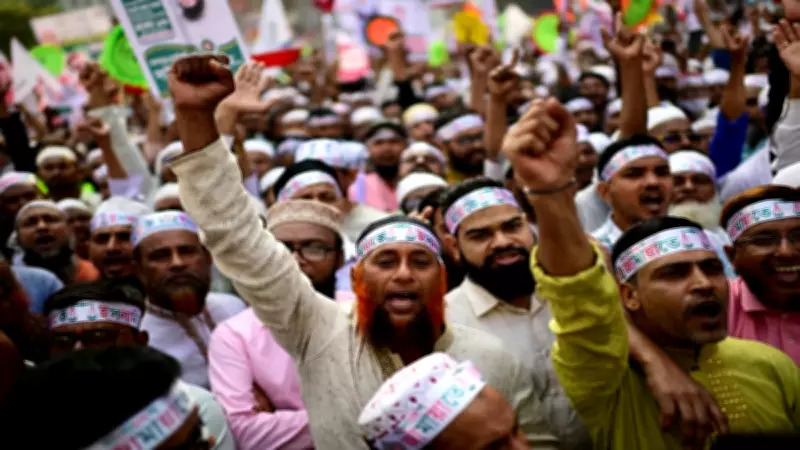
- Jamaat-e-Islami: A significant Islamist political party, Jamaat-e-Islami has faced legal challenges and bans in recent years. Its participation in the election remains uncertain, but it continues to influence certain voter segments, particularly in rural areas.
- Other Parties: Smaller parties and alliances, such as the Jatiya Party and various leftist groups, are also expected to contest, potentially playing a kingmaker role in closely contested constituencies.
Analysis of the Last Three General Elections in Bangladesh
To grasp the dynamics of the 2024 election, it is essential to examine the results and key events from the previous three general elections, which have shaped the current political environment.

- 2014 Election: The 2014 general election was marked by a major boycott by the BNP and its allies, who protested against the absence of a neutral caretaker government. This led to the Awami League winning a landslide victory, securing 234 out of 300 parliamentary seats. However, the election was criticized internationally for low voter turnout and allegations of irregularities, raising questions about its legitimacy.
- 2018 Election: In the 2018 election, the BNP participated but faced significant obstacles, including allegations of intimidation and vote-rigging. The Awami League emerged victorious again, winning 288 seats, while the BNP secured only 7 seats. This outcome reinforced Sheikh Hasina's dominance but sparked widespread protests and claims of electoral manipulation from opposition groups.
- Historical Context (Pre-2014): Prior to 2014, elections in Bangladesh often featured intense competition between the Awami League and BNP, with power alternating between the two parties. For instance, the 2008 election saw the Awami League win a decisive victory, ending a period of military-backed caretaker government and bringing Sheikh Hasina back to power.
Implications for the 2024 Election and Beyond
The trends from past elections highlight several critical factors that will influence the 2024 vote. The Awami League's incumbency advantage, coupled with its focus on infrastructure and economic growth, positions it as a strong contender. Conversely, the BNP's challenges, including leadership issues and allegations of repression, may hinder its ability to mount an effective campaign.
International observers and domestic watchdogs will be closely monitoring the electoral process for fairness and transparency. Issues such as voter suppression, media freedom, and the role of Islamist parties like Jamaat-e-Islami could significantly impact the outcome. Additionally, the economic performance of the current government, including handling of inflation and employment, will be a key determinant in swaying undecided voters.

As Bangladesh approaches this crucial election, the stakes are high for both democracy and development. The participation of multiple parties, despite past controversies, underscores the nation's commitment to electoral politics, even as it grapples with deep-seated political divisions. The results will not only shape domestic policies but also influence Bangladesh's standing on the global stage, particularly in terms of human rights and governance standards.





