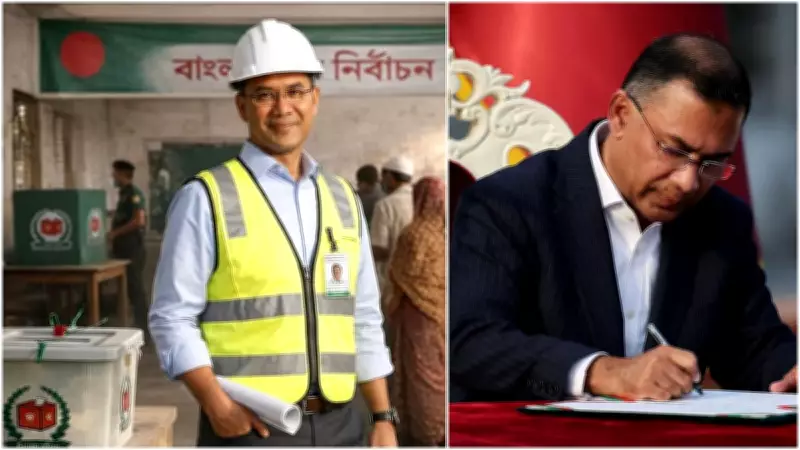
Bangladesh Prime Minister Tarique Rahman Faces Online Ridicule Over 'Engineer' Nickname
In a surprising turn of events, Bangladesh Prime Minister Tarique Rahman has become the subject of widespread online mockery after being referred to as an 'engineer' by a political opponent. This nickname, which has quickly gained traction on the internet, is not based on any formal educational qualifications but is instead being used as a term of derision and satire.
Origin of the Mocking Title
The unexpected moniker emerged following a statement from a leader of the National Citizen Party (NCP), who publicly called Rahman an 'engineer.' This reference has sparked a flurry of reactions across social media platforms, with many users highlighting the irony given Rahman's educational background. Notably, Tarique Rahman has only completed his 12th standard education, making the title particularly pointed and humorous in the context of political discourse.
Public and Online Reactions
The internet has been abuzz with comments and memes poking fun at the situation. Key points of discussion include:

- Educational Contrast: Users are emphasizing the disparity between the honorary title and Rahman's actual academic achievements.
- Political Satire: The nickname is seen as a form of political mockery, reflecting broader tensions and criticisms within Bangladesh's political landscape.
- Viral Spread: Hashtags and posts related to the incident have gone viral, drawing attention from both local and international observers.
This episode underscores how digital platforms can amplify political narratives and create new forms of public engagement, often through humor and irony.
Broader Implications for Political Discourse
Beyond the immediate laughter, this incident raises questions about the role of education and titles in political leadership. In many societies, academic credentials are closely tied to perceptions of competence and authority. By mocking Rahman as an 'engineer,' critics are subtly questioning his qualifications and suitability for high office, using a creative and memorable label to make their point.
Moreover, this trend highlights the evolving nature of political communication in the digital age. Where once such jibes might have been confined to private conversations or print media, they now spread rapidly online, reaching a global audience and shaping public opinion in real-time.
As the story continues to develop, it serves as a reminder of the power of language and symbolism in politics, and how even a simple nickname can become a potent tool for criticism and commentary.