

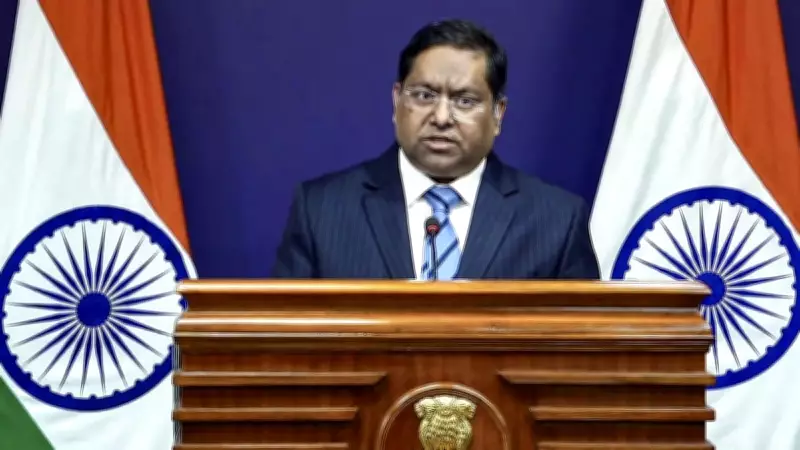
India's Ministry of External Affairs (MEA) has clarified that the differences that emerged during the recent BRICS meeting in New Delhi were primarily due to the ongoing conflict in West Asia. The MEA spokesperson stated that the divergent views among member nations reflected the complexities of the geopolitical situation in the region.
Conflict Background
The current conflict in West Asia began on February 28, 2026, when the United States and Israel launched coordinated military strikes on Iran. In retaliation, Tehran targeted Gulf states that host US military bases, escalating tensions across the region. The MEA noted that these developments have had a significant impact on international diplomacy, including multilateral forums like BRICS.
India's Stance
India has consistently called for restraint and de-escalation from all parties involved. The MEA emphasized that New Delhi remains committed to promoting peace and stability in West Asia, while also safeguarding its own strategic interests. The differences at the BRICS meet were not a reflection of any rift within the grouping but rather a natural outcome of the ongoing crisis.

The BRICS meeting, which brought together Brazil, Russia, India, China, and South Africa, saw discussions on global economic cooperation, climate change, and regional security. However, the West Asia conflict dominated the agenda, leading to nuanced positions from member countries based on their bilateral ties and energy dependencies.
As the situation continues to evolve, India is engaging with all stakeholders to explore avenues for dialogue and conflict resolution. The MEA reiterated that India's foreign policy remains independent and principled, guided by its national interests and commitment to global peace.






