Canadian Courts Overwhelmingly Reject Refugee Claims Citing Khalistan Persecution
In a significant trend throughout 2025, Canadian federal courts and the Immigration and Refugee Board (IRB) have been systematically rejecting dozens of refugee claims from Punjabi migrants. These individuals alleged persecution in India for their support of the Khalistan movement, but judges have repeatedly described the applications as opportunistic and lacking in credibility.
Emblematic Cases and Judicial Scrutiny
One case that came to light in a July 2025 investigation by the National Post involved 22-year-old Gagandeep Singh from Haryana. He initially claimed he fled India after being framed for murder but later amended his story to include pro-Khalistan activism after arriving in Canada. The Refugee Appeal Division (RAD) overturned an initial grant of protection, labeling it “yet another fraudulent refugee claim.” The RAD noted his narrative was strikingly similar to nearly 200 others prepared by the same Brampton-based consultant, Deepak Pawar.
While Federal Court Justice Guy Régimbald later criticized the RAD for focusing too heavily on “form over substance,” and sent the file back for redetermination, similar outcomes have become routine. In August 2025, Justice Benoit M. Duchesne upheld the rejection of a couple, Amandeep Singh and Kanwaldeep Kaur. They arrived on visitor visas in 2018 and, only when facing removal, declared themselves Khalistan supporters, presenting Sikhs for Justice (SFJ) voter cards and protest photos. The RAD had already ruled their political conversion as “disingenuous and lacking good faith.”
The Scale of the Phenomenon and Official Data
Official IRB statistics reveal the sheer scale of this trend. In the first six months of 2025 alone, Indian nationals—predominantly from Punjab—filed 9,947 refugee claims. This figure represents a staggering 18% of all claims processed by the Board. According to CBC News, which cited IRB data, Indian claims soared from just 225 in 2013 to more than 13,000 in the first eight months of 2024. The rejection and abandonment rates for these claims are double the global average.
An analysis of CanLII dockets shows that at least 30 Federal Court judicial reviews of Khalistan-linked claims were dismissed in 2025, with only four sent back for a rehearing. Judges have consistently given minimal weight to evidence such as last-minute social-media posts, SFJ referendum cards, and templated affidavits from Punjab.
Government Response and Future Implications
In response to what some officials privately call abuse of the “Khalistan card,” Immigration Minister Marc Miller stated in a March 2025 interview that the government is intensifying audits of immigration consultants and accelerating inadmissibility screenings.
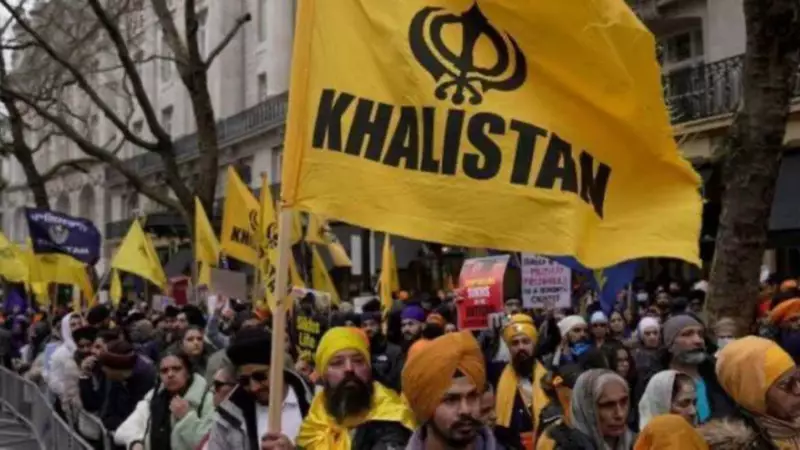
While refugee advocates caution against blanket skepticism, and York University professor Sean Rehaag noted that acceptance rates for Indian claims were around 50% by 2022, the courts' current message is unequivocal. Participation in Khalistan rallies in Canada or possession of an SFJ voter card, without concrete evidence of pre-flight risk, is no longer sufficient to win protection.
As winter removal flights resume, thousands of Punjabi claimants whose work or study permits have expired now face a stark choice: prove genuine, individualized persecution or return home.