

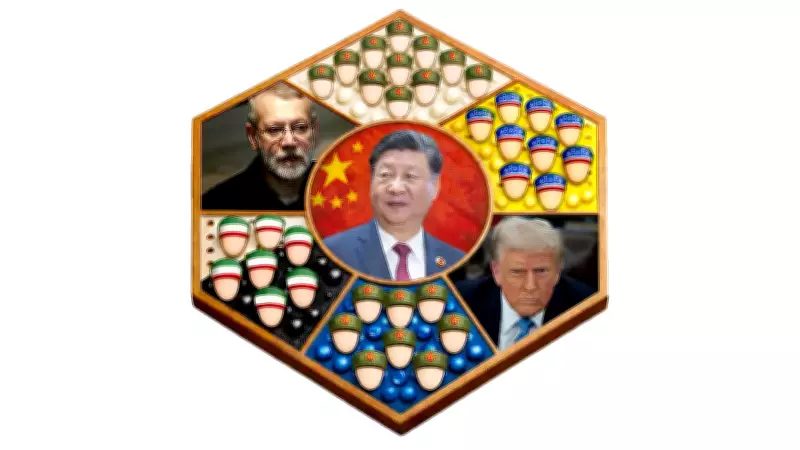
China's Calculated Advantage in the US-Iran Confrontation
Within the complex framework of contemporary great power rivalry, Iran has emerged as a significant strategic asset for China. This dynamic creates a substantial diversion of American military capabilities and financial resources away from the Indo-Pacific region, where China is expanding its influence.
The Resource Drain on US Military Operations
For every dollar the United States allocates to safeguarding vital commercial shipping routes in the Red Sea against Houthi anti-ship missile threats, and for each multi-billion-dollar carrier strike group stationed in the Persian Gulf to counter potential Iranian aggression, there is a corresponding reduction in available assets for deployment in the Indo-Pacific theater.
This represents a deliberate strategic calculus for Beijing. The persistent tensions involving Iran, particularly during periods of heightened confrontation with the United States, effectively function as a force multiplier for Chinese regional ambitions without direct Chinese military involvement.

Analyzing the Broader Geopolitical Implications
The situation illustrates a modern iteration of strategic diversion, where secondary conflicts absorb the attention and resources of a primary competitor. Key aspects of this dynamic include:
- Financial Burden: The enormous costs associated with maintaining carrier groups and conducting defensive operations in the Middle East strain the US defense budget.
- Operational Focus: Military leadership and planning bandwidth are consumed by Middle Eastern contingencies, potentially at the expense of Indo-Pacific strategy development.
- Diplomatic Capital: US diplomatic efforts are heavily invested in managing the Iran portfolio, including nuclear negotiations and regional stability talks.
This strategic environment allows China to pursue its economic and military objectives in the South China Sea, Taiwan Strait, and across the broader Indo-Pacific with reduced immediate pressure from its principal global competitor. The Iranian factor, therefore, operates as an indirect but powerful component of China's comprehensive national power strategy, turning regional Middle Eastern instability into a geopolitical advantage thousands of miles away.






