In a recent development that adds a new layer to complex regional diplomacy, China has asserted a role in facilitating negotiations between India and Pakistan. This claim comes after a period of military tensions between the two South Asian neighbors in early May 2025. However, the Indian government has maintained a consistent position, stating that any de-escalation was achieved solely through direct bilateral channels between the two armies.
Contrasting Narratives on Conflict Resolution
The core of the dispute lies in the account of how a military conflict between India and Pakistan from May 7 to May 10, 2025, was resolved. Official sources in New Delhi have repeatedly clarified that the situation was managed through direct talks between the Director General of Military Operations (DGMO) of both countries. This mechanism is a well-established, direct line of communication meant to address frontline issues and prevent escalation.
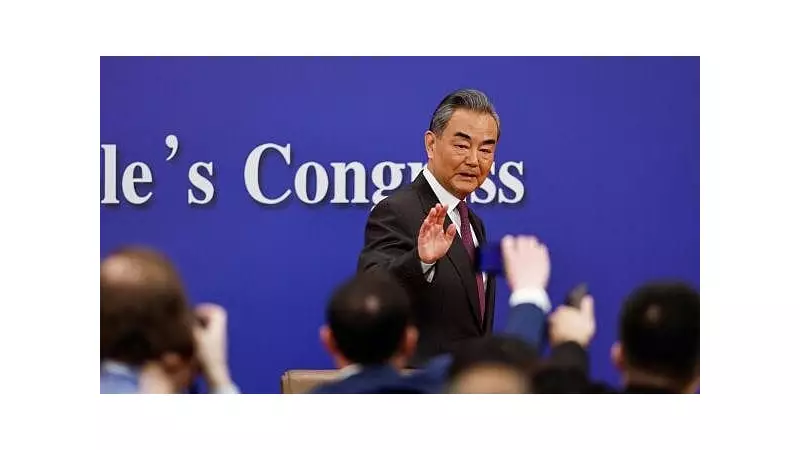
Contrary to this, recent statements from China suggest a third-party mediation role. While specific details of China's claimed involvement remain vague, the assertion itself is significant. It positions Beijing as an active player in South Asian peace dynamics, a region where India has traditionally emphasized resolving disputes bilaterally without external interference.

India's Firm Stance on Bilateralism
The Indian stance has been unambiguous and firm. Officials have dismissed any notion of third-party mediation in what they consider a purely bilateral matter. The resolution through DGMO talks underscores India's long-standing policy of dealing directly with Pakistan on contentious issues, particularly those pertaining to cross-border tensions and military engagements.
This episode highlights the delicate and often contentious interplay of influence in the region. China, a close ally of Pakistan with significant economic and strategic interests in South Asia, has occasionally positioned itself as a potential mediator. However, India's rejection of such roles is rooted in its diplomatic principles and the complex history of the region.
Diplomatic Implications and Regional Stability
The conflicting claims have several immediate implications. Firstly, they bring the nature of conflict resolution between India and Pakistan back into international focus. Secondly, they subtly underscore the geopolitical contest for influence, with major powers seeking to present themselves as stabilizers.
For regional stability, India's insistence on the bilateral DGMO channel is crucial. It demonstrates a functional, if tense, mechanism exists between the militaries to manage crises. The effectiveness of this direct talk in ending the May 2025 conflict is cited by New Delhi as proof that external mediation is unnecessary.
As the year 2025 closes, this diplomatic exchange serves as a reminder of the enduring sensitivities in India-Pakistan relations and the broader geopolitical currents that shape them. The Indian external affairs establishment is likely to continue its clear communication that dialogue with Pakistan, if and when it happens, will be strictly bilateral.