

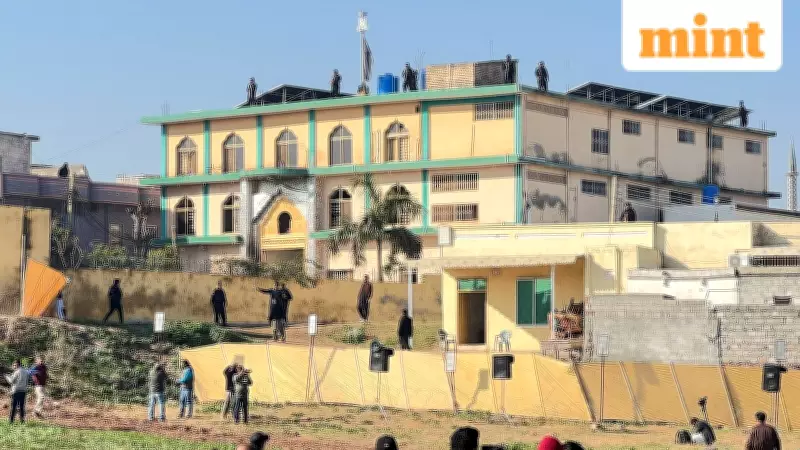
China Condemns Islamabad Mosque Attack, Pledges Support to Pakistan
China has strongly condemned the horrific suicide bombing at a Shi'ite mosque in Islamabad and on Sunday pledged its full support for the Pakistani government's efforts to "maintain national security and stability." The Chinese foreign ministry, in an official statement, expressed being "deeply shocked" by Friday's brutal attack, which marks the deadliest incident of its kind in Pakistan's capital in more than a decade.
Details of the Deadly Assault
An assailant opened fire at the entrance of the Imam Bargah Qasr-e-Khadijatul Kubra mosque on the outskirts of Islamabad before detonating a suicide bomb. The explosion, which occurred during Friday prayers when mosques are typically filled with worshippers, killed at least 31 people and injured 169 others. Officials have warned that the death toll could still rise.
The Islamic State group (IS) has claimed responsibility for the attack, which represents the deadliest in Islamabad since the 2008 bombing of the Marriott hotel that killed 60 people. A security source told AFP that "the attacker was stopped at the gate and detonated himself."

Eyewitness Accounts and Government Response
Witnesses described a scene of chaos and violence. Muhammad Kazim, 52, reported that an "extremely powerful" explosion ripped through the building just as prayers were beginning. Another worshipper, Imran Mahmood, detailed a gunfight between the bomber and volunteer security personnel at the mosque.
"The suicide attacker was trying to move forward, but one of our injured volunteers fired at him from behind, hitting him in the thigh," Mahmood told AFP. "He then detonated the explosives."
In response to the tragedy, Prime Minister Shehbaz Sharif vowed that those behind the blast would be found and brought to justice. The attack highlights the ongoing security challenges Pakistan faces, particularly concerning sectarian violence.
Context of Sectarian Violence in Pakistan
Pakistan is predominantly Sunni, though Shiites account for roughly 10 to 15 percent of the population and have frequently been targets of violence across the country. This incident underscores the vulnerability of religious minority groups in Pakistan.
The most recent major attack in Islamabad before Friday occurred in November, when a suicide bombing outside a court killed 12 people and injured dozens, marking the capital's first such incident in nearly three years.
Broader Security Landscape
The mosque bombing comes amid a tense security situation in Pakistan. In Balochistan, separatist insurgents carried out attacks last week that left 36 civilians and 22 security personnel dead, triggering a series of counter-operations in which authorities said nearly 200 militants were killed.
China's response to the Islamabad attack reflects the strong geopolitical ties between Beijing and Islamabad, emphasizing China's support for its ally during times of crisis. The condemnation and pledge of assistance underscore the strategic partnership between the two nations as Pakistan confronts significant security threats.






