

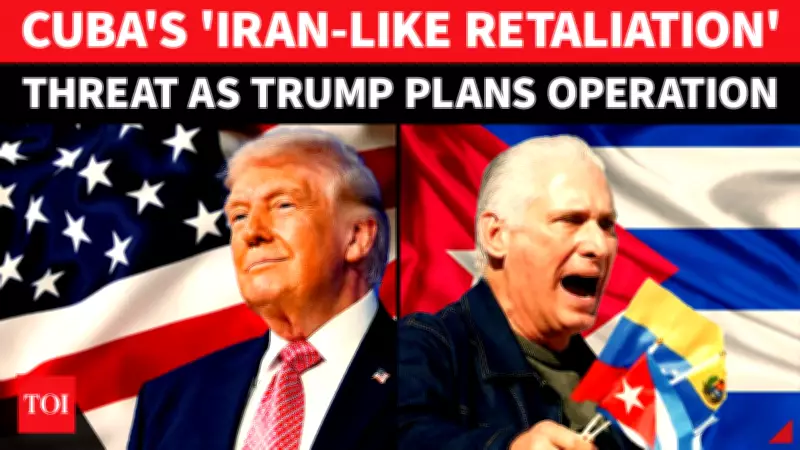
Cuba has strongly condemned the United States after charges were filed against former leader Raul Castro in connection with the 1996 shooting down of two civilian aircraft operated by the Brothers to the Rescue group. The incident, which killed four people, has long been a point of contention between the two nations.
Official Response from Havana
Cuban Deputy Foreign Minister Carlos Fernandez de Cossio accused Washington of using the legal case as a possible pretext for military or political action against the island nation. In a statement, he warned that Cuba would offer fierce resistance to any form of external aggression. Havana maintains that the 1996 shootdown was a legitimate act of self-defense, as the aircraft had violated Cuban airspace without authorization.
Public Sentiment in Cuba
Residents in Havana expressed solidarity with their government, rejecting what they described as outside pressure and intervention. Many viewed the US charges as an attempt to undermine Cuban sovereignty and destabilize the country. The case has reignited memories of one of the most controversial episodes in modern US-Cuba relations.

Historical Context
The Brothers to the Rescue group, based in Miami, was known for flying missions to spot Cuban refugees at sea. On February 24, 1996, two of its Cessna aircraft were shot down by Cuban fighter jets after allegedly entering Cuban airspace. The United States condemned the action, while Cuba argued it was protecting its territorial integrity.
Renewed Tensions
The charges against Raul Castro, who served as president from 2008 to 2018, have further strained already tense relations between the two countries. The US Department of Justice announced the charges as part of a longstanding investigation, but Cuban officials view them as politically motivated. The dispute threatens to derail any prospects for diplomatic normalization, which had seen limited progress in recent years.
Analysts suggest that the timing of the charges, amid broader geopolitical rivalries, could escalate rhetoric and actions on both sides. Cuba has called on the international community to reject what it terms as US judicial overreach. Meanwhile, Washington insists that justice for the victims of the 1996 incident remains a priority.

