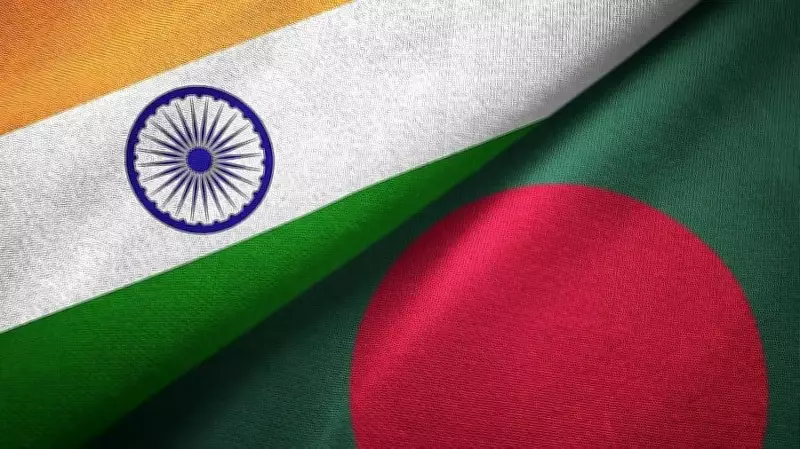
A New Chapter for Delhi-Dhaka Relations Amid Political Shifts
In a significant development for South Asian diplomacy, the landslide victory of the Bangladesh Nationalist Party (BNP) in recent elections has sparked a mix of hope and caution in New Delhi. For India, this political upheaval in Dhaka represents both a fresh opportunity to strengthen bilateral ties and a stark reminder that the dynamics of Bangladesh's governance have fundamentally changed.
Opportunity Knocks for India-Bangladesh Cooperation
The BNP's decisive win marks a pivotal moment in the region's geopolitics, offering India a chance to recalibrate its approach to its eastern neighbor. Under the leadership of Tarique Rahman, the party's triumph could pave the way for renewed dialogue on trade, security, and cross-border issues. However, experts emphasize that this is not merely a continuation of past policies; it signals a departure from the era dominated by Sheikh Hasina and her Awami League.
Sheikh Hasina's tenure was characterized by close cooperation with India, particularly in areas like counter-terrorism and infrastructure development. In contrast, Tarique Rahman's rise introduces a new political calculus, with potential implications for regional stability and economic partnerships.

The Contrast in Leadership: Rahman Versus Hasina
Tarique Rahman, as the new face of Bangladesh's government, brings a different ideological and strategic perspective compared to his predecessor. While Sheikh Hasina was known for her pro-India stance and efforts to foster bilateral harmony, Rahman's leadership may prioritize domestic agendas and regional alliances that could alter the balance of power.
This shift underscores the evolving nature of Dhaka's politics, where historical alliances are being reassessed. For New Delhi, navigating this transition requires a nuanced understanding of Rahman's policies and their impact on shared interests.
Challenges and Prospects for Future Ties
The change in leadership presents both challenges and prospects for India-Bangladesh relations. On one hand, it offers an opportunity to address longstanding issues such as:
- Border management and security cooperation
- Economic integration through enhanced trade routes
- Collaboration on climate change and water resource sharing
On the other hand, the absence of Sheikh Hasina's familiar approach means that India must adapt to a new diplomatic environment. This involves building trust with Rahman's administration while safeguarding mutual benefits.
As noted by analysts, the key will be to engage proactively without assuming continuity from the Hasina era. The BNP's victory is a reminder that political landscapes are fluid, and successful diplomacy hinges on flexibility and foresight.
In conclusion, while there is hope for revitalized Delhi-Dhaka ties, the reality is that Tarique Rahman is not the new Sheikh Hasina. India's strategy must evolve to embrace this change, leveraging opportunities while mitigating risks in a transformed political arena.