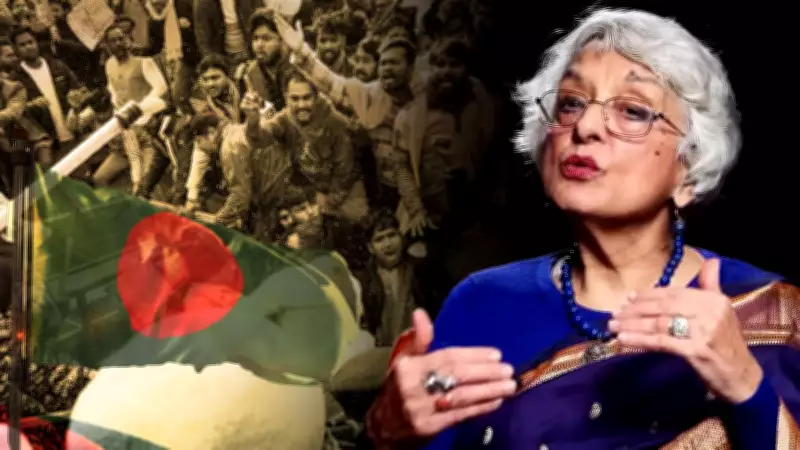
Former Envoy Sikri Explains Anti-India Sentiment in Bangladesh and Bilateral Dynamics
Veena Sikri, the former High Commissioner of India to Bangladesh, has provided a detailed analysis of the complex relationship between the two neighboring nations. In a recent discussion, she shed light on the rise of anti-India sentiment in Bangladesh, attributing it largely to political motivations within the country.
Political Motivations Behind Anti-India Sentiment
Sikri explained that opposition parties in Bangladesh often blame India for domestic issues as a strategic political tool. This tactic, she noted, has contributed to periodic waves of anti-India sentiment, particularly during election cycles or times of political instability. The former diplomat emphasized that such rhetoric does not necessarily reflect the true feelings of the Bangladeshi public toward India.
Security Challenges Under BNP Government
Recalling the period when the Bangladesh Nationalist Party (BNP) was in power, Sikri highlighted significant security concerns for India. During this time, insurgent groups operating in northeast India reportedly found support and sanctuary in Bangladesh. This created substantial security challenges along the border and hampered regional stability.

The situation changed dramatically after Sheikh Hasina took office in 2009. Sikri noted that the current Prime Minister has consistently respected India's security red lines, leading to fifteen years of relative peace and development in India's northeastern states. This cooperation has been crucial in addressing cross-border security issues.
India's Consistent Approach and Ongoing Concerns
Sikri described India's foreign policy approach toward Bangladesh as consistently focused on cooperation and dialogue. She emphasized that while India remains committed to strengthening bilateral ties, progress ultimately depends on Bangladesh's willingness to engage constructively.
The former envoy identified several ongoing concerns in the relationship:
- Insurgency threats that continue to require vigilance
- Border security management and cross-border movement
- The growing influence of Pakistan and China in Bangladesh
- Economic cooperation and trade imbalances
Public Sentiment and Future Prospects
Despite political rhetoric and security challenges, Sikri observed that the Bangladeshi public generally favors stronger relations with India. There appears to be significant interest among ordinary citizens for renewed economic, cultural, and people-to-people engagement between the two countries.
This public sentiment creates a foundation for continued diplomatic progress, even as political dynamics evolve. Sikri's analysis suggests that while political parties may use anti-India rhetoric for domestic advantage, the underlying relationship between the two nations remains resilient, with substantial potential for future cooperation across multiple sectors.