

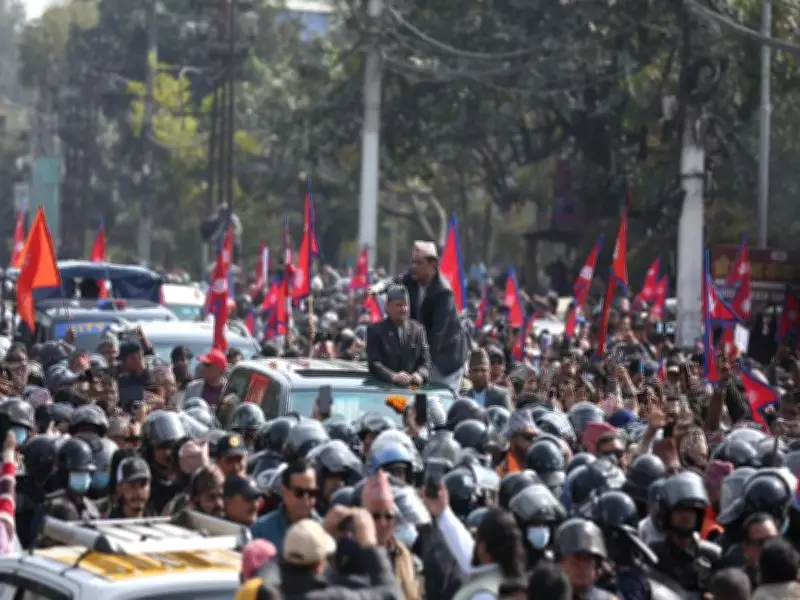
Nepal's Former Monarch Advocates for Unity Ahead of Crucial Election
In a significant political intervention, Nepal's former King Gyanendra Shah has called for a broad-based consensus among all political stakeholders before the upcoming election scheduled for March 5. The ex-monarch, who reigned from 2001 to 2008 before the monarchy was abolished, asserted that elections, while essential, are not a panacea for the country's multifaceted challenges.
Emphasis on Dialogue and Inclusivity
Gyanendra Shah stressed that the electoral process must be preceded by meaningful dialogue to ensure stability and address the root causes of Nepal's political and social issues. He highlighted that without a unified approach, the election might fail to deliver the desired outcomes for the nation's progress.
The former king's remarks come at a critical juncture as Nepal prepares for a pivotal vote that could shape its democratic future. His statement underscores the ongoing tensions and divisions within the political landscape, urging leaders to prioritize national interest over partisan agendas.

Historical Context and Current Implications
Since the end of the monarchy, Nepal has transitioned to a federal democratic republic, yet it continues to grapple with political instability, economic challenges, and social disparities. Gyanendra Shah's call for consensus reflects a growing concern among observers that elections alone may not suffice to overcome these hurdles.
Analysts note that his intervention could influence public discourse and pressure political parties to engage in more collaborative efforts. The former monarch's appeal resonates with segments of the population who yearn for cohesive governance and effective solutions to pressing issues.
Broader Implications for Democratic Processes
The emphasis on pre-election consensus raises important questions about the role of dialogue in strengthening democratic institutions. It suggests that electoral success should be complemented by ongoing negotiations and compromise to foster long-term stability.
- Need for inclusive political frameworks
- Importance of addressing underlying socio-economic problems
- Potential impact on voter sentiment and participation
As Nepal moves closer to the March 5 election, the former king's message serves as a reminder that democratic exercises must be underpinned by unity and a shared vision for the country's future.






