

Farooq Abdullah Voices Grief Over Islamabad Mosque Suicide Bombing
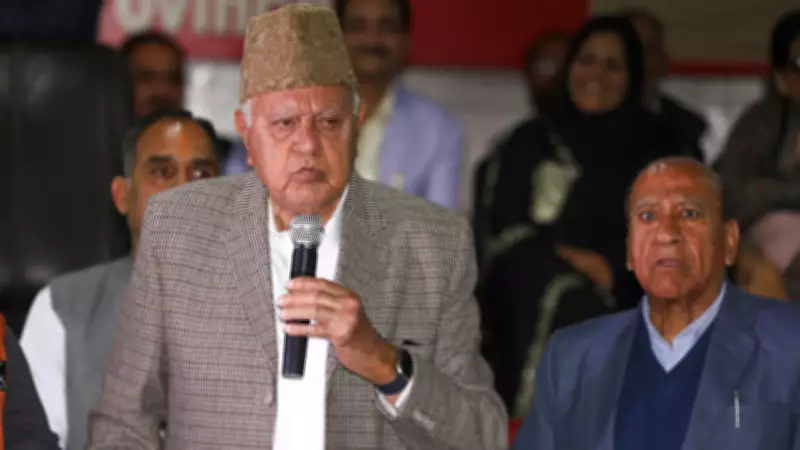
National Conference president and former Jammu and Kashmir chief minister Farooq Abdullah expressed profound grief on Sunday regarding the devastating suicide bombing at a mosque in Pakistan's capital, Islamabad. Speaking to reporters in Pampore, located in south Kashmir's Pulwama district, Abdullah described the incident as deeply unfortunate, highlighting that such attacks have now infiltrated sacred spaces of worship.
Abdullah's Remarks on the Tragic Incident
"It is unfortunate that now blasts are taking place inside mosques as well," Abdullah stated, as quoted by PTI. He further reflected on the spiritual implications, adding, "It shows how far we have gone from Allah. We are treading the path which will lead to hell fire." The veteran politician was in Pampore to offer condolences to Mohammad Riyaz Hamadani on the death of his mother when he addressed the media, taking the opportunity to comment on the broader context of violence.
Context of the Attack and Global Muslim Unrest
Abdullah emphasized that the entire Muslim world is currently "in chaos and engulfed in violence," pointing to a widespread pattern of instability. When questioned by reporters about whether Pakistan should be declared a terrorist state in light of the attack, Abdullah declined to comment, focusing instead on the humanitarian and religious aspects of the tragedy.

Details of the Islamabad Mosque Bombing
The attack occurred on Friday when a 32-year-old suicide bomber entered the Imambargah Khadijah-tul-Kubra in Islamabad's Tarlai area during weekly prayers and detonated explosives. Initial reports from Dawn indicated at least 31 worshippers were killed and 169 injured. Authorities later confirmed that the death toll had risen to 36, as several critically injured victims succumbed to their wounds in hospital. The Islamic State in Pakistan, an offshoot of Daesh, has claimed responsibility for the bombing, underscoring the persistent threat of extremist groups in the region.
Response from Jammu and Kashmir's Shia Community
In Jammu and Kashmir, members of the Shia community organized candlelight marches to pay tribute to the victims of the Islamabad attack. In Baramulla district, protesters gathered along the Srinagar–Baramulla National Highway in Hanjiwera, raising slogans and condemning the violence. These demonstrations reflect the solidarity and outrage felt by communities across borders in response to such acts of terror.
The incident has sparked renewed discussions on security, religious tolerance, and the escalating violence affecting Muslim-majority regions globally. Abdullah's comments highlight the deep concern among political and religious leaders about the direction of current events and the urgent need for peace and stability.






