The political landscape of Bangladesh and the memories of India-Bangladesh relations are tinged with sorrow following the death of former Prime Minister Begum Khaleda Zia. The veteran politician, who led the Bangladesh Nationalist Party (BNP) for decades, passed away on August 19, 2024, at the age of 79. Her demise has elicited a poignant tribute from a key Indian diplomat who witnessed her political journey firsthand.
A Diplomat's Personal Tribute
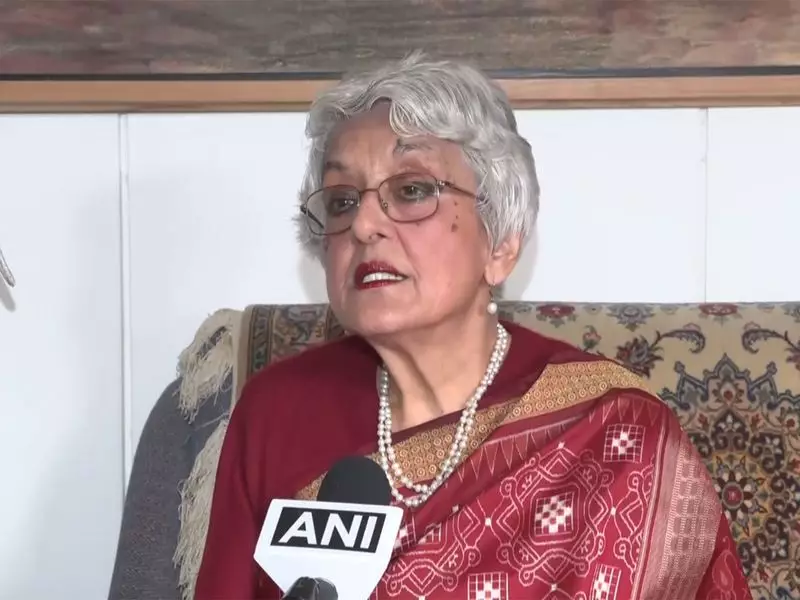
Veena Sikri, who served as India's High Commissioner to Bangladesh from 2003 to 2006, expressed deep personal grief over Zia's passing. Sikri, a seasoned diplomat with extensive experience in South Asian affairs, highlighted a crucial aspect of Zia's legacy often overshadowed by political rivalry. She credited Khaleda Zia with single-handedly preventing the disintegration of the BNP during its most turbulent times.
"She didn't let the BNP collapse," Sikri stated emphatically, reflecting on Zia's unwavering commitment to her party. This observation underscores the formidable leadership and resilience Zia demonstrated, especially after the assassination of her husband, military ruler and BNP founder President Ziaur Rahman, in 1981. Sikri's tribute moves beyond formal diplomacy, painting a picture of a leader who was the "glue that held the BNP together" through immense personal and political challenges.

Architect of a Crucial Political Alliance
Veena Sikri's tenure in Dhaka coincided with a significant phase in bilateral relations, marked by the BNP-led Four Party Alliance government from 2001 to 2006. Sikri pointed to Khaleda Zia's instrumental role in fostering a "very good relationship" between India and Bangladesh during that period. She specifically praised Zia's efforts in taking a firm stance against anti-India insurgent groups operating from Bangladeshi soil.
This period saw concrete cooperation on critical security issues. Sikri recalled that the Zia government provided "excellent cooperation" to India, particularly in apprehending and handing over leaders of militant outfits from India's northeastern states. This collaborative approach, she noted, was a cornerstone of the functional and productive bilateral ties during those years, showcasing Zia's pragmatic approach to foreign policy and regional stability.
Legacy of a Political Stalwart
Khaleda Zia's political career was defined by both groundbreaking achievements and intense controversy. As Bangladesh's first woman Prime Minister, she broke significant barriers, serving two terms from 1991 to 1996 and again from 2001 to 2006. Her leadership shaped the nation's democratic trajectory, placing her in a historic and often contentious rivalry with Sheikh Hasina of the Awami League.
However, her later years were marred by legal battles and declining health. Convicted on corruption charges in 2018, which she and her supporters decried as politically motivated, she spent years confined before being released on conditional bail. Her death closes a major chapter in Bangladesh's political history, leaving behind a complex legacy of populist leadership, fierce partisan struggle, and a deeply polarized political environment.
The heartfelt remembrance from a former Indian diplomat like Veena Sikri adds a nuanced, personal dimension to the obituaries. It highlights not just the domestic political fighter, but a regional figure whose decisions had lasting implications for India-Bangladesh relations. As Bangladesh mourns, Sikri's words serve as a reminder of the human stories and diplomatic intricacies that underpin the geopolitics of South Asia.