Goa Chief Minister Champions Scientific Temperament at World Ocean Science Congress 2026
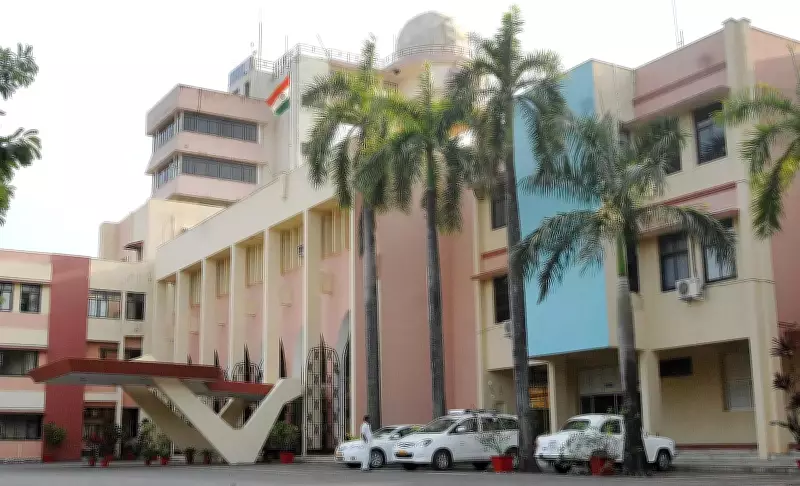
In a significant address at the World Ocean Science Congress 2026, Goa Chief Minister Pramod Sawant emphasized on Monday that scientific thinking is deeply ingrained in the state's coastal ecosystem. The event, hosted at the National Institute of Oceanography (NIO) in Panaji until February 26, serves as a crucial platform for policymakers, maritime industries, researchers, students, and coastal communities.
Science as Goa's Fourth 'S'
"Goa is renowned for its sun, sand, and sea, but there is a fourth 'S'—science," stated Sawant. "Many are unaware of this, yet scientific temperament is already embedded in Goa's fabric." He underscored that the ocean is integral to daily life, with Goa's 193-kilometer coastline shaping the economy, climate, fisheries, tourism, and livelihoods. Thousands of families across the state depend directly or indirectly on marine resources, making forums like this congress essential for bridging science, policy, and community impact.
Ocean's Global and Local Significance
Sawant highlighted compelling statistics to drive home the ocean's importance: 75% of Earth's surface is covered by water, and 25% of India's population resides in coastal regions. This reality, he argued, should prompt serious reflection on our collective responsibility toward marine ecosystems. "The ocean is not distant from our daily existence; it is central to our survival and prosperity," he added, noting that the congress aims to connect scientific research with tangible outcomes through lectures, discussions, workshops, and exhibitions.

Advancements and Initiatives in Marine Science
The chief minister detailed progress in ocean observation, modeling, artificial intelligence, and autonomous underwater systems, praising institutions like NIO for leading research in marine biotechnology and underwater exploration. A proud milestone he mentioned was the commissioning of a pollution control vessel built in Goa for the Indian Coast Guard, which enhances India's capabilities in maritime safety, pollution response, and surveillance.
Congress Agenda and Collaborative Efforts
This fourth edition of the World Ocean Science Congress, previously held in Visakhapatnam, Kochi, and Chennai, is co-organized by NIO, the National Centre for Polar and Ocean Research (NCPOR), and Goa University. The agenda focuses on:
- Ocean health and climate change
- Marine ecosystems and coastal hazard resilience
- Sustainable blue economy models
Special sessions include a fishermen's meet and student interaction programs involving around 600 high school students, aiming to foster engagement and capacity building.
Challenges and the Path Forward
Sawant warned of pressures on oceans from pollution, changing weather patterns, and unsustainable practices. "Growth in the blue economy must proceed with responsibility and scientific guidance," he asserted, linking ocean research and environmental protection to national security and maritime preparedness. The event's objective, he concluded, is to integrate India's maritime traditions with modern innovation and strengthen institutional partnerships for a sustainable future.