India Abstains from UN General Assembly Vote on Immediate Russia-Ukraine Ceasefire Resolution
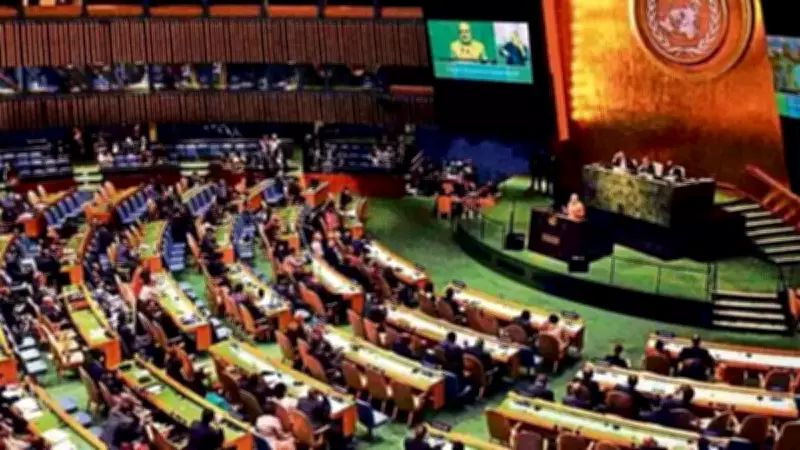
In a significant diplomatic move, India abstained from voting on a draft resolution at the United Nations General Assembly (UNGA) that called for an immediate ceasefire between Russia and Ukraine. The resolution, which was put forward on February 25, 2026, aimed to halt hostilities and promote peace negotiations, but India's decision to abstain reflects its nuanced stance on the ongoing conflict.
Details of the UNGA Draft Resolution
The draft resolution, formally introduced by a group of member states, urged all parties involved in the Russia-Ukraine war to implement an immediate and unconditional ceasefire. It emphasized the need for humanitarian access and the protection of civilians, while also calling for renewed diplomatic efforts to resolve the conflict through dialogue. The resolution garnered support from many countries, but India's abstention highlighted its reservations about the text's wording and potential implications.
India's Reasons for Abstaining
India's decision to abstain was based on several key factors. Officials stated that the resolution's language did not adequately address the root causes of the conflict or provide a balanced approach to peacebuilding. India has consistently advocated for a diplomatic solution and expressed concerns that the resolution might hinder ongoing negotiations or escalate tensions further. Additionally, India emphasized its commitment to sovereignty and territorial integrity, principles that guide its foreign policy in such matters.

Key points from India's position include:
- Concerns over the resolution's wording, which was seen as potentially biased or incomplete.
- A preference for inclusive diplomatic efforts that involve all stakeholders in the conflict.
- An emphasis on humanitarian assistance and civilian protection without taking sides in the geopolitical dispute.
Global Reactions and Implications
The abstention has drawn mixed reactions from the international community. Some countries praised India for its cautious approach, while others expressed disappointment, urging stronger support for ceasefire initiatives. This move underscores India's role as a key player in global diplomacy, balancing its relationships with both Russia and Western nations. The outcome of the vote may influence future UN actions on the conflict, as India's stance could shape discussions on peace processes and humanitarian interventions.
Potential impacts of India's abstention:
- It may lead to revised diplomatic strategies in UN forums regarding the Russia-Ukraine war.
- It highlights the complexities of international consensus on ceasefire resolutions.
- It could affect India's bilateral relations with involved parties, depending on how the decision is perceived.
Background on India's Stance in the Russia-Ukraine Conflict
Since the outbreak of the Russia-Ukraine war, India has maintained a neutral position, calling for peace and dialogue while avoiding direct condemnation of either side. This abstention aligns with its previous votes in the UN, where it has often abstained on resolutions targeting specific countries. India's foreign policy prioritizes strategic autonomy, and this decision reinforces its approach of engaging with all sides to foster stability and cooperation in international affairs.
In summary, India's abstention from the UNGA draft resolution on an immediate ceasefire between Russia and Ukraine reflects its careful diplomatic balancing act. By avoiding a direct vote, India aims to support peace efforts without compromising its principles or geopolitical interests, as the world continues to grapple with the challenges of the ongoing conflict.