

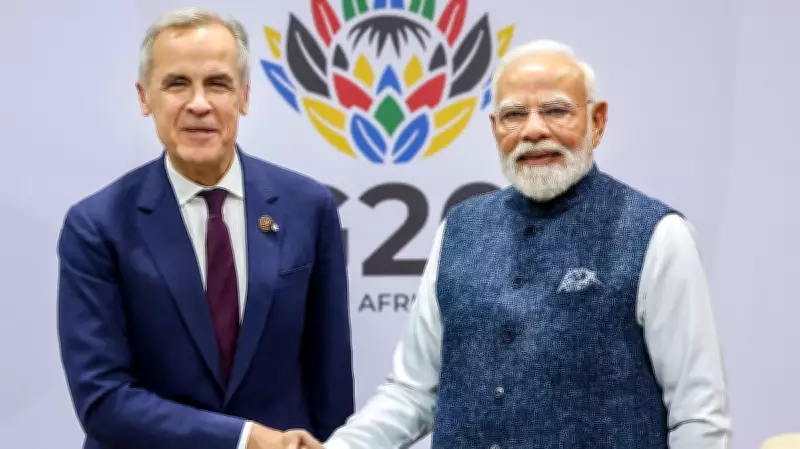
India and Canada Forge New Path with Enhanced Security Cooperation Agreement
In a significant diplomatic development, India and Canada have agreed to strengthen their national security and law enforcement cooperation, effectively moving past the contentious Nijjar killing row that had strained bilateral ties. This agreement marks a pivotal shift towards rebuilding trust and collaboration between the two nations.
Key Elements of the New Security Framework
The cornerstone of this renewed partnership is the mutual decision to post security and law enforcement liaison officers in each other's national capitals. This strategic move is designed to facilitate direct communication and real-time coordination on critical security matters, enhancing the effectiveness of joint efforts against transnational threats.
This initiative represents a proactive step to address shared concerns, including terrorism, organized crime, and cybersecurity challenges. By embedding officers within each other's administrative hubs, both countries aim to streamline intelligence sharing and operational responses, thereby bolstering their respective national security apparatuses.

Moving Beyond the Nijjar Controversy
The agreement comes after a period of heightened tensions following the Nijjar killing row, which had cast a shadow over India-Canada relations. By focusing on concrete security cooperation, both nations are demonstrating a commitment to pragmatic diplomacy and forward-looking engagement.
This development underscores the importance of separating contentious historical issues from ongoing strategic interests. It reflects a mutual recognition that collaboration on security is essential for regional and global stability, transcending past disagreements.
Implications for Bilateral and Global Security
The enhanced cooperation is expected to yield several benefits:
- Improved Intelligence Sharing: Liaison officers will enable more efficient exchange of critical security information.
- Joint Threat Mitigation: Collaborative efforts can better address emerging security challenges, from cyberattacks to illicit trafficking.
- Strengthened Diplomatic Ties: This agreement may pave the way for broader economic and cultural exchanges, reinforcing the bilateral relationship.
Moreover, this pact sets a precedent for how nations can navigate complex disputes by prioritizing shared security goals. It highlights the role of law enforcement and security mechanisms in bridging diplomatic gaps and fostering mutual trust.
As India and Canada implement this framework, the international community will be watching closely, as it could influence similar agreements between other countries facing bilateral challenges. The focus now shifts to the practical execution of these measures, with both sides poised to reap the rewards of a more secure and cooperative partnership.






