India and Canada Urged to Forge Stronger Ties as Middle Powers in Turbulent Global Era
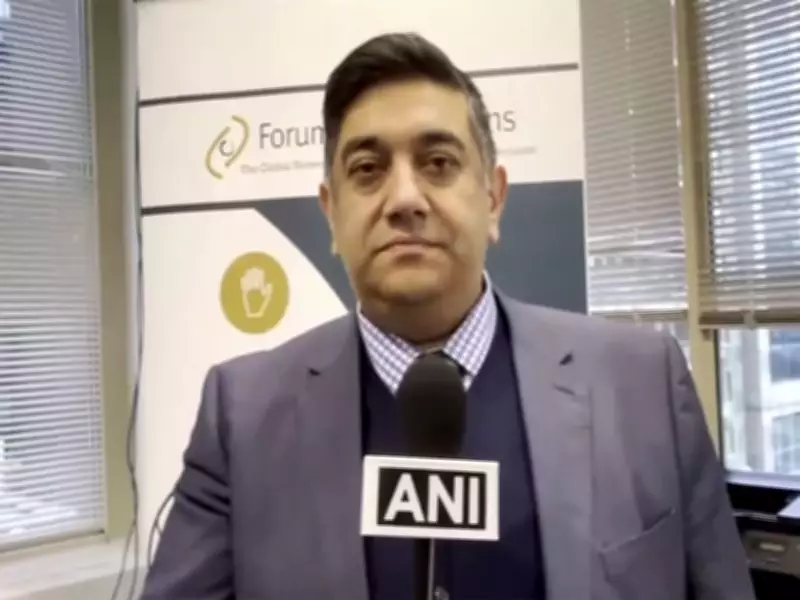
In a significant statement amid ongoing diplomatic engagements, Rupak Chattopadhyay, the President of the Forum of Federations, has called for enhanced collaboration between India and Canada. He emphasized that both nations should work together as middle powers to navigate the complexities of an increasingly uncertain global landscape. This appeal comes in the wake of a recent visit by Mark Carney, the former Governor of the Bank of England, to India, which has sparked discussions on bilateral cooperation.
Rupak Chattopadhyay's Vision for India-Canada Relations
Chattopadhyay, a prominent figure in international governance and federalism, highlighted the unique positions of India and Canada on the world stage. He noted that as middle powers, both countries possess significant economic, political, and cultural influence, yet face shared challenges such as geopolitical tensions, economic volatility, and climate change. By leveraging their strengths, he argued, India and Canada can play a pivotal role in promoting stability and fostering multilateral solutions to global issues.
The context of Mark Carney's visit adds depth to this call for cooperation. Carney, who has served as the Governor of the Bank of England and is a respected voice in global finance, engaged with Indian officials and business leaders during his trip. His discussions likely touched on areas like sustainable finance, economic resilience, and international trade, all of which align with Chattopadhyay's vision for a strengthened India-Canada partnership.

Implications for Global Governance and Diplomacy
Chattopadhyay's remarks underscore the growing importance of middle powers in shaping international affairs. In an era marked by uncertainty, with rising conflicts, shifting alliances, and economic disruptions, nations like India and Canada are seen as crucial bridges between larger powers and smaller states. Their collaboration could enhance efforts in areas such as:
- Climate action and environmental sustainability, where both countries have made commitments but face implementation hurdles.
- Trade and investment, with potential for boosting bilateral economic ties and exploring new markets.
- Diplomatic initiatives, including peacekeeping and conflict resolution in volatile regions.
Moreover, the Forum of Federations, which Chattopadhyay leads, focuses on promoting federal governance systems worldwide. This adds a layer of expertise to the discussion, as both India and Canada operate under federal structures, allowing for shared insights on managing diversity and decentralization in governance.
Looking Ahead: Opportunities and Challenges
While the call for cooperation is timely, it also comes with challenges. Historical tensions and recent diplomatic spats between India and Canada, such as those related to trade or political disagreements, could pose obstacles. However, Chattopadhyay's emphasis on middle power collaboration suggests a path forward based on mutual interests and pragmatic engagement.
In conclusion, Rupak Chattopadhyay's advocacy for India and Canada to work together as middle powers highlights a strategic opportunity in uncertain times. As global dynamics continue to evolve, such partnerships may prove essential for fostering stability and driving progress on the world stage. The insights from Mark Carney's visit further reinforce the potential for deepened ties, making this a pivotal moment for bilateral relations.