

India and Canada Forge New Security Cooperation Pact with Liaison Officers
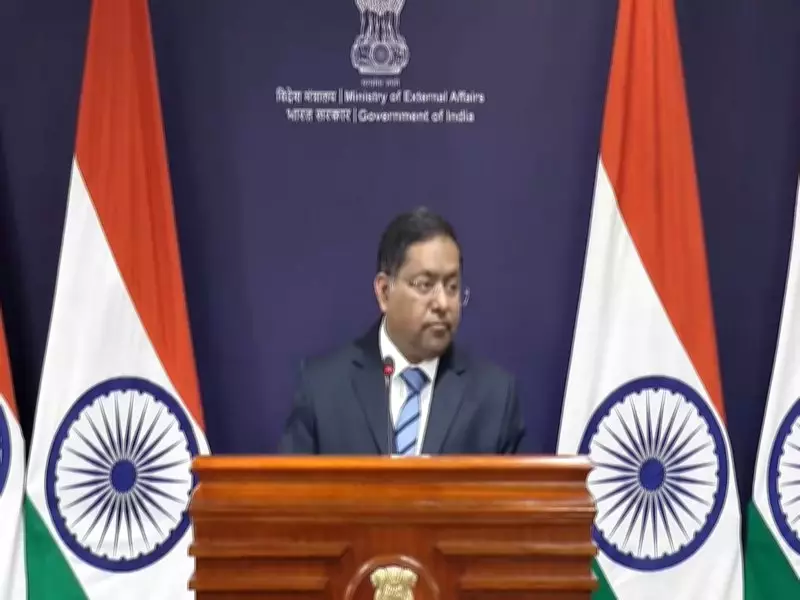
In a significant diplomatic development aimed at bolstering bilateral security ties, India and Canada have mutually agreed to establish liaison officers to facilitate a smoother and more effective flow of security-related information. This landmark decision was officially announced by the Ministry of External Affairs (MEA), highlighting a renewed commitment to enhancing cooperation on critical security matters between the two nations.
Strengthening Information Sharing Mechanisms
The agreement to deploy liaison officers represents a strategic move to address gaps in communication and intelligence sharing that have historically posed challenges in the India-Canada relationship. By embedding these officers within key governmental frameworks, both countries aim to create a more robust and transparent channel for exchanging vital security data. This initiative is expected to cover a wide array of security domains, including counter-terrorism efforts, cyber threats, and transnational crime prevention.
The primary objective of this arrangement is to ensure that critical information reaches the relevant authorities in a timely and accurate manner, thereby minimizing risks and enhancing overall security preparedness. The liaison officers will act as pivotal points of contact, tasked with coordinating between Indian and Canadian security agencies to streamline processes and foster mutual trust. This step is seen as a proactive measure to preempt potential security breaches and collaboratively tackle emerging threats in an increasingly interconnected world.

Background and Diplomatic Context
This agreement comes against the backdrop of ongoing diplomatic engagements between India and Canada, which have seen periods of strain alongside cooperative efforts. The decision underscores a shared recognition of the importance of security collaboration in maintaining regional and global stability. By institutionalizing this mechanism through liaison officers, both nations are signaling a long-term commitment to deepening their strategic partnership beyond mere rhetoric.
The MEA's announcement emphasized that this move aligns with broader foreign policy goals of fostering stronger international alliances based on mutual respect and shared security interests. It reflects a pragmatic approach to diplomacy, where concrete actions are prioritized to build resilience against common challenges. Analysts view this as a positive step that could pave the way for further bilateral agreements in areas such as trade, technology, and defense cooperation.
Expected Outcomes and Future Implications
The establishment of liaison officers is anticipated to yield several tangible benefits for both India and Canada. Key expected outcomes include:
- Enhanced real-time intelligence sharing to combat terrorism and organized crime.
- Improved coordination in responding to cybersecurity incidents and data breaches.
- Strengthened legal and judicial cooperation in extraditing criminals and sharing evidence.
- Greater transparency in security operations, reducing misunderstandings and fostering goodwill.
Looking ahead, this initiative could serve as a model for similar arrangements with other countries, demonstrating India's proactive stance in global security governance. It also highlights Canada's willingness to engage more closely with India on strategic issues, potentially opening doors for expanded collaboration in multilateral forums. As both nations navigate complex geopolitical landscapes, this agreement marks a forward-looking step towards a more secure and cooperative bilateral relationship.






