

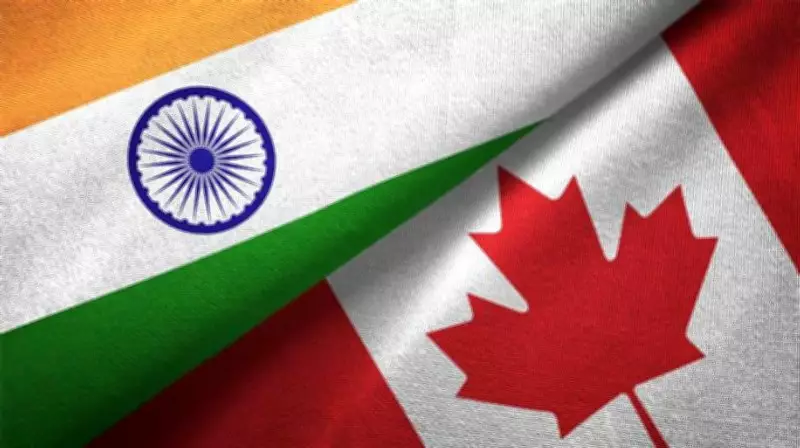
India and Canada Strengthen Security Ties with New Liaison Officer Agreement
In a significant move to bolster bilateral security cooperation, India and Canada have reached an agreement to post law enforcement liaison officers in each other's countries. This decision marks a pivotal step in enhancing joint efforts to combat crime, terrorism, and other transnational threats, reflecting the deepening strategic partnership between the two nations.
Details of the Liaison Officer Initiative
The agreement involves the deployment of specialized officers who will serve as key points of contact between Indian and Canadian law enforcement agencies. These liaison officers will be stationed in major cities, facilitating real-time information sharing, coordination on investigations, and joint operational planning. The initiative aims to streamline communication and improve the efficiency of cross-border law enforcement activities.
Key objectives of this program include:

- Enhancing intelligence sharing on criminal networks and terrorist activities.
- Coordinating efforts to tackle cybercrime, drug trafficking, and human smuggling.
- Providing mutual legal assistance and support in extradition cases.
- Fostering training and capacity-building exchanges between police forces.
Background and Strategic Importance
This agreement comes amid growing concerns over global security challenges and the need for international collaboration. India and Canada, both democratic nations with significant diaspora communities, have increasingly recognized the importance of working together to address common threats. The liaison officer program is expected to build on existing frameworks, such as extradition treaties and mutual legal assistance agreements, to create a more robust security architecture.
The deployment of these officers is seen as a proactive measure to prevent and respond to incidents that could affect citizens in both countries. It also underscores the commitment of India and Canada to uphold the rule of law and promote regional stability.
Expected Outcomes and Future Prospects
With the liaison officers in place, authorities anticipate improved outcomes in high-profile cases, faster response times to emergencies, and stronger deterrence against criminal elements. The program may also pave the way for expanded cooperation in areas like counter-terrorism, maritime security, and border management.
As both nations continue to navigate complex geopolitical landscapes, this initiative highlights their shared resolve to safeguard national interests while fostering a safer global environment. The success of this agreement could serve as a model for similar partnerships with other countries in the future.






