

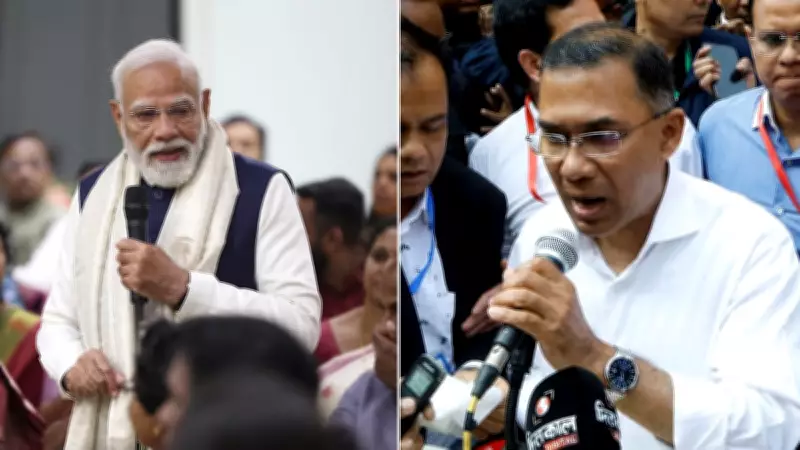
India's Diplomatic Pivot: Engaging BNP in Bangladesh for a New Chapter
In a significant strategic shift, India is actively reaching out to the Bangladesh Nationalist Party (BNP), the main opposition in Bangladesh, as it seeks to forge a more balanced and sustainable relationship with its eastern neighbor. This move marks a departure from India's historically close ties with the ruling Awami League, signaling a pragmatic approach to ensure long-term stability and mutual interests in the region.
Beyond the Golden Chapter with Awami League
For years, India's relationship with Bangladesh has been predominantly anchored in its strong partnership with the Awami League, led by Prime Minister Sheikh Hasina. This period, often referred to as a "golden chapter," saw enhanced cooperation in areas such as security, trade, and connectivity. However, New Delhi now recognizes the need to diversify its diplomatic engagements to navigate Bangladesh's complex political landscape effectively.
By initiating dialogue with the BNP, India aims to build bridges across the political spectrum, ensuring that bilateral ties remain robust regardless of future electoral outcomes. This outreach is not about sidelining the Awami League but rather about creating a more inclusive framework that can withstand political transitions and foster enduring goodwill.

Strategic Imperatives Driving the Outreach
Several factors are motivating India's diplomatic recalibration. Firstly, Bangladesh's internal politics are dynamic, with the BNP representing a substantial segment of the population. Engaging with the opposition helps India understand diverse perspectives and address concerns that might otherwise strain relations.
Secondly, regional stability is paramount. A stable Bangladesh is crucial for India's security and economic interests, particularly in countering cross-border threats and boosting trade through initiatives like the Bangladesh-China-India-Myanmar Economic Corridor. By fostering ties with all major political actors, India seeks to mitigate risks and promote a peaceful environment.
Moreover, this approach aligns with India's broader foreign policy goals of being a reliable partner in South Asia, emphasizing dialogue and cooperation over alignment with any single faction. It reflects a mature diplomacy that prioritizes long-term strategic interests over short-term gains.
Challenges and Opportunities Ahead
Engaging the BNP presents both challenges and opportunities. On one hand, the BNP has historically been critical of India, often aligning with anti-India sentiments. Building trust will require careful diplomacy and confidence-building measures. On the other hand, this outreach could pave the way for a "silver chapter" in India-Bangladesh relations—one characterized by resilience, mutual respect, and broader consensus.
Key areas of focus include:
- Economic Collaboration: Enhancing trade and investment ties to benefit both nations.
- Security Cooperation: Addressing shared concerns such as terrorism and border management.
- Cultural and People-to-People Ties: Strengthening bonds through education, tourism, and diaspora engagement.
India's proactive stance underscores its commitment to a neighborly relationship that transcends political cycles. As Bangladesh approaches future elections, this diplomatic maneuver could set a precedent for how India engages with democratic processes in the region, ultimately contributing to a more stable and prosperous South Asia.






