Massive Flight Disruptions Hit India as Middle East Airspace Closes
The Ministry of Civil Aviation (MoCA) has announced a significant disruption in domestic air travel, with more than 410 flights operated by Indian carriers cancelled on Saturday. The situation is expected to worsen, with approximately 444 flights slated for cancellation on Sunday. This widespread disruption stems from ongoing airspace restrictions imposed over Iran and various parts of the Middle East, following escalating regional tensions.
Official Statement and Safety Measures
In a detailed post on social media platform X, the ministry clarified the extent of the cancellations. "Due to airspace restrictions over Iran and parts of the Middle East, 410 flights of domestic carriers were cancelled on 28 February, and 444 flights are expected to be cancelled on 1 March," the statement read. Amid these challenges, authorities are intensifying efforts to monitor the situation and coordinate with airlines and airports to minimize inconvenience for passengers.
The Directorate General of Civil Aviation (DGCA) is maintaining close coordination with airlines to ensure full compliance with safety and operational regulations. Passengers are strongly advised to check and confirm their flight status with their respective airlines before heading to the airport. Major airports across India have been placed on operational alert to manage potential diversions and ensure seamless passenger facilitation.

Passenger Support and Grievance Redressal
To address concerns arising from the large-scale cancellations, the ministry has activated its grievance redressal mechanisms. The Passenger Assistance Control Room (PACR) is actively monitoring passenger issues and facilitating prompt resolutions. On 28 February alone, AirSewa recorded 216 grievances, with 105 resolved during the same period, providing necessary support to affected travellers.
"All stakeholders are working in coordination to ensure orderly handling of affected passengers and timely assistance to all concerned travellers," the ministry emphasized in its statement. This collaborative approach aims to mitigate the impact on passengers stranded or facing delays.
Background: Escalating Tensions in West Asia
The flight cancellations occur against the backdrop of heightened tensions in West Asia. Recent coordinated strikes by the US and Israel on Iran, followed by retaliatory actions by Tehran targeting Israel and US military bases in the region, have led several countries to impose airspace restrictions and issue Notices to Airmen (NOTAMs). These measures have severely impacted international flight operations, causing ripple effects across global aviation networks.
Airline Responses and Specific Cancellations
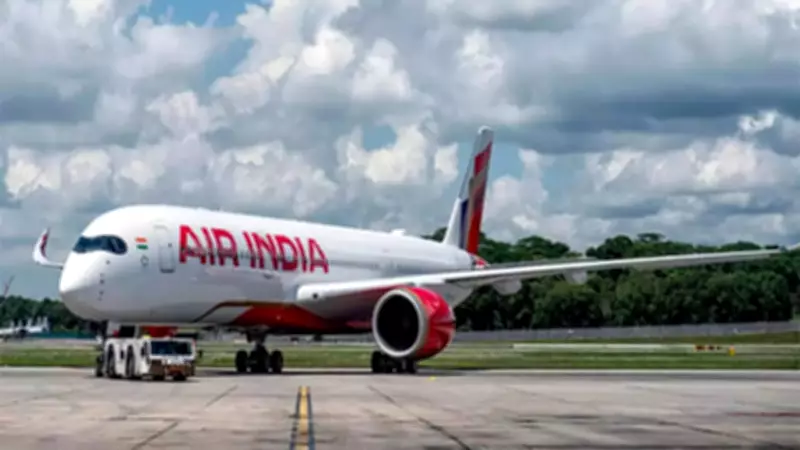
Air India has proactively cancelled 28 international flights scheduled for 1 March, affecting routes connecting India with key cities in Europe, the United States, and Canada. The affected services include:
- Delhi to London (Heathrow) and Mumbai to London (Heathrow)
- Amritsar to London (Gatwick)
- Delhi to New York (JFK) and Mumbai to New York (JFK)
- Mumbai to Newark
- Delhi to Chicago (via Vienna) and Delhi to Toronto (via Vienna)
- Delhi to Frankfurt and Mumbai to Frankfurt
- Delhi to Paris
The airline had earlier suspended all flights to Middle East destinations until 2359 hours on 1 March, prioritizing safety. Affected passengers are being informed and offered rebooking or refund options.
IndiGo has also issued a travel advisory, stating that it is closely monitoring developments across the Middle East, including updates related to Iran and surrounding airspace. The airline remains prepared to take necessary steps based on evolving conditions.
Regional Impact and Airport Operations
Flight disruptions have been particularly noticeable at airports in Kerala. Several services from Kochi to destinations like Doha, Dubai, Ras Al Khaimah, and Abu Dhabi were cancelled, with some flights experiencing delays or diversions. Qatar Airways temporarily suspended flights to and from Doha following the closure of Qatari airspace.

The Aviation Minister conducted a high-level review meeting via video conference with senior officials from the ministry, the Airports Authority of India, DGCA, airline operators, and major airport operators. Discussions centered on maintaining passenger safety, ensuring uninterrupted operations, and enhancing real-time coordination.
Proactive Measures and Future Outlook
Airlines have been instructed to closely track airspace advisories and implement rerouting or diversions wherever necessary, adhering to international safety standards. Airports across India, especially major international hubs, are on heightened alert to handle diversions, emergency landings, and passenger assistance efficiently.
The ministry is also coordinating with the Ministry of External Affairs to address any urgent requirements involving Indian carriers or nationals abroad. Passengers are urged to stay in contact with their airlines for updates and confirm flight status before proceeding to the airport, as the situation in the Middle East remains volatile and subject to rapid changes.