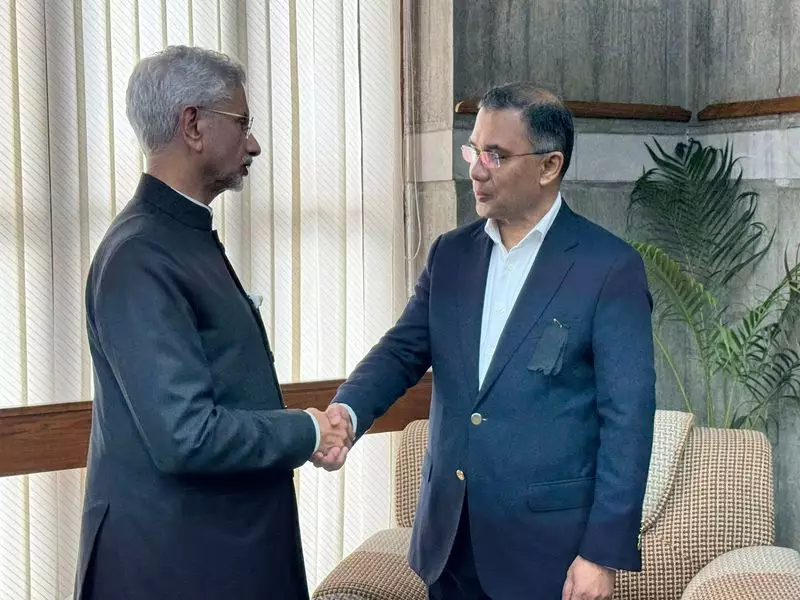
India has extended its formal condolences on the passing of a significant figure in its eastern neighbour's political history. External Affairs Minister Dr. S. Jaishankar conveyed India's sympathies following the death of former Bangladesh Prime Minister Begum Khaleda Zia.
India's Diplomatic Gesture of Sympathy
On a day marked by mourning in Dhaka, India's top diplomat took to the social media platform X to express solidarity. External Affairs Minister S. Jaishankar posted a message offering India's "deepest condolences" to the people of Bangladesh. He specifically addressed his remarks to the family of the deceased leader and her countless supporters across the nation. This public gesture underscores the importance India places on its bilateral relationship with Bangladesh, regardless of the political affiliations of its leaders.
The Legacy of Khaleda Zia
Begum Khaleda Zia, who passed away at the age of 78, was a towering and often controversial personality in Bangladeshi politics. She served as the Prime Minister of Bangladesh not once, but twice, leading the nation from 1991 to 1996 and again from 2001 to 2006. Her political journey was deeply intertwined with the country's turbulent democratic evolution.

As the chairperson of the Bangladesh Nationalist Party (BNP), she was the central figure in the opposition for many years. Her tenure and subsequent political battles were defining elements of Bangladesh's governance landscape for decades. Her passing marks the end of an era and leaves a substantial void in the political arena of the neighbouring country.
A Complex Chapter in Bilateral Ties
The relationship between India and Bangladesh has seen various phases, influenced by the political leadership in Dhaka. Khaleda Zia's periods in power were often viewed in New Delhi as times of cautious diplomacy, especially when compared to the tenure of her great rival, Sheikh Hasina of the Awami League. Issues such as security, connectivity, and trade sometimes experienced heightened tensions during Zia's administrations.
However, India's swift and public condolence message, delivered at the ministerial level, demonstrates a mature diplomatic approach. It highlights the principle of respecting a nation's internal political figures and expressing shared grief during moments of national loss. This move is seen as an effort to maintain stable and respectful state-to-state relations, transcending past political complexities.
The official condolences from India's External Affairs Minister serve as a reminder of the deep, albeit complicated, historical and cultural links between the two South Asian neighbours. While political alignments may shift, India's response to Khaleda Zia's death reaffirms its commitment to engaging with Bangladesh as a key partner in the region. The focus remains on the continuity of the relationship and the shared future of the people on both sides of the border.