

India Mobilizes Naval Contingency Plan to Secure Energy Supplies Amid Middle East Crisis
In response to escalating tensions in the Middle East, including the ongoing US-Iran conflict and regional instability, India is actively developing a comprehensive contingency plan to ensure the safe evacuation of its commercial vessels currently stranded in the Persian Gulf. This strategic move aims to secure approximately three days' worth of the nation's total demand for critical energy resources, including crude oil, natural gas, and cooking fuel.
Naval Escorts and Coordinated Evacuation Efforts
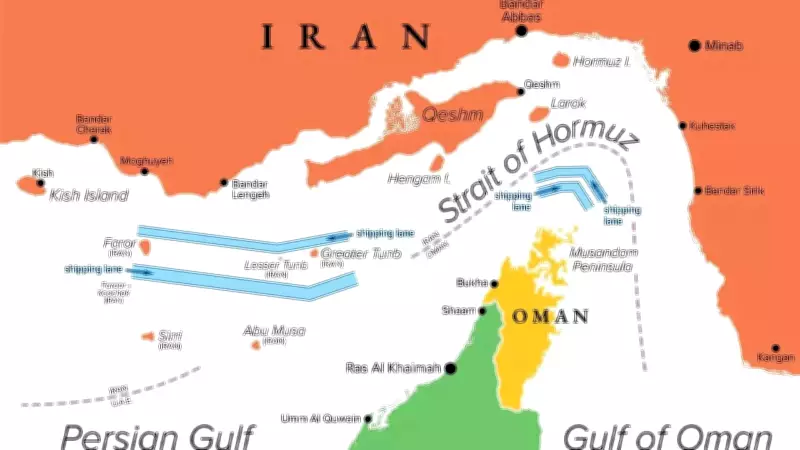
The proposed plan may involve the deployment of Indian naval escorts to guide vessels through the volatile Strait of Hormuz, a narrow maritime chokepoint that has effectively been closed since the outbreak of the US-Israel-Iran war. According to a recent ET report, discussions are currently in progress to facilitate the movement of two container ships that are among those awaiting transit through this crucial route.
Altogether, 22 vessels have been identified for evacuation, comprising 20 energy cargo carriers and two container ships. The fleet includes three liquefied natural gas (LNG) carriers, ten liquefied petroleum gas (LPG) carriers, and seven crude oil tankers. Efforts are underway to organize naval protection and implement safety arrangements to enable an orderly exit from the Strait of Hormuz.

Economic Implications and Macroeconomic Challenges
A near-term impact assessment prepared by the Directorate General of Shipping warns that prolonged disruptions to maritime activity in the Gulf region could pose significant macroeconomic challenges for India. The assessment highlights several potential pressures:
- Higher shipping costs and a persistent increase of $3–5 per barrel in crude oil prices.
- A projected rise in India's annual import expenditure by Rs 30,000–50,000 crore, potentially expanding the quarterly trade deficit by $5–10 billion.
- An increase in Wholesale Price Index inflation by 0.3 to 0.7 percentage points.
- A temporary rise in logistics costs from the current 13–14 percent to about 14–15 percent of GDP.
Furthermore, the assessment notes that shipment delays, pressure on profit margins, and a spike in container freight rates could drag overall export growth down by 2 to 4 percentage points.
Logistical Bottlenecks and Government Response
The crisis has led to significant logistical bottlenecks, with nearly 70,400 TEUs of containers stranded at both major ports operated by the central government and non-major ports managed by state authorities. To address these challenges, the Centre is considering measures such as the RELIEF (Resilience & Logistics Intervention for Export Facilitation) scheme, along with waivers on port-related charges like ground rent and dwell time.
Background of the Escalation
The current escalation in West Asia follows a joint Israel-US airstrike that resulted in the death of Iran's Supreme Leader Ayatollah Ali Khamenei. In retaliation, Iran has carried out strikes across the region, specifically targeting vessel movement near the Strait of Hormuz. This strategic waterway is vital for India, as the country imports a substantial percentage of its crude oil, LPG, and LNG needs through this route.
The situation underscores the critical importance of securing energy supplies and maintaining maritime security in a region fraught with geopolitical tensions.






