

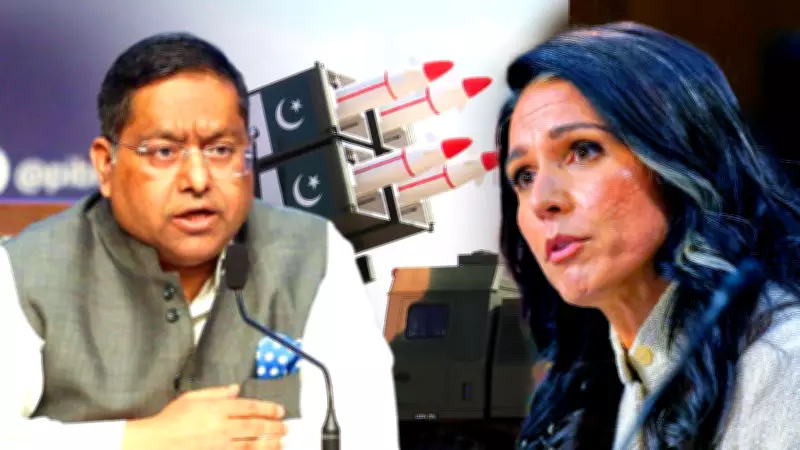
India Counters US Intelligence Chief's Remarks on Pakistan's Nuclear Nonproliferation History
India has formally responded to recent comments made by US Intelligence Chief Tulsi Gabbard regarding Pakistan's nuclear activities. Ministry of External Affairs (MEA) spokesperson Randhir Jaiswal addressed the remarks, pointing to Pakistan's documented history of clandestine nuclear nonproliferation and the significant global security risks this poses.
US Intelligence Chief's 2026 Threat Assessment
In her 2026 Annual Threat Assessment presented before the US Senate, Tulsi Gabbard identified several nations as top nuclear threats to the United States. The assessment specifically named Russia, China, North Korea, Iran, and Pakistan as countries developing advanced missile systems capable of delivering both nuclear and conventional payloads to US territory.
Gabbard emphasized that China and Russia are actively working on technologies designed to bypass existing US missile defense systems. Meanwhile, Pakistan's ballistic missile program has raised particular concerns, with intelligence suggesting it could potentially include intercontinental ballistic missiles (ICBMs) capable of reaching the United States.

India's Official Response
MEA spokesperson Randhir Jaiswal's comments represent India's official position on the matter. "We have taken note of the US Intelligence Chief's assessment," Jaiswal stated, "and wish to highlight Pakistan's established history of clandestine nuclear nonproliferation activities that have long been a concern for the international community."
The Indian response underscores ongoing international security concerns regarding nuclear proliferation in the region. Jaiswal further noted that such activities by Pakistan pose significant risks not just regionally but globally, affecting international peace and stability.
Broader Context of Nuclear Security Concerns
The exchange occurs against a backdrop of heightened global attention to nuclear security:
- Multiple nations are advancing their missile capabilities
- Technological developments threaten to undermine existing defense systems
- Regional nuclear dynamics continue to evolve with security implications
Pakistan's nuclear program has been a subject of international scrutiny for decades, with concerns about proliferation networks and the security of nuclear materials. The US intelligence assessment and India's response highlight how these concerns remain relevant in contemporary global security discussions.
The diplomatic exchange between India and the United States on this matter reflects the complex interplay of international relations, nuclear security, and regional stability in South Asia. As nuclear capabilities continue to advance globally, such assessments and responses will likely remain crucial components of international security dialogues.






