

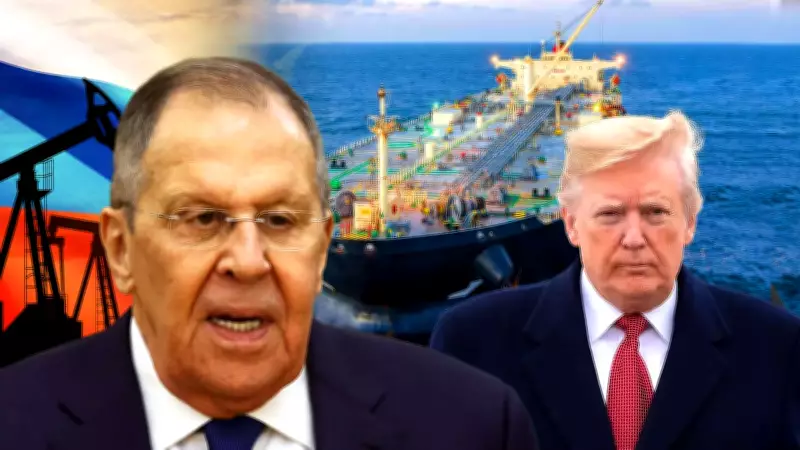
Geopolitical Tensions Rise Over India's Oil Trade Policies
A significant diplomatic exchange has unfolded following assertions by United States officials that India is progressively decreasing its imports of Russian oil while expanding alternative sourcing channels, including purchases from America. The claims were made during a crucial congressional hearing, highlighting the complex interplay of global energy markets and international relations.
US Congressional Testimony Sparks Controversy
Speaking before a congressional panel, Assistant Secretary Paul Kapur presented India's diversification efforts as aligning with broader US strategic objectives. He emphasized that New Delhi's gradual shift away from Russian crude represents a positive development from Washington's perspective, though he notably refrained from detailing specific enforcement mechanisms related to existing sanctions regimes.
The hearing revealed underlying concerns about the effectiveness of Western pressure on Moscow. Republican lawmaker Keith Self expressed apprehension that indirect flows through international traders and blended shipments could potentially undermine efforts to isolate Russia economically. This warning underscores the practical challenges in monitoring and regulating global energy transactions amidst ongoing geopolitical conflicts.

Russia's Forceful Rebuttal and Diplomatic Reassurance
Moscow responded swiftly to the American claims. Russian Foreign Minister Sergei Lavrov categorically denied that India has made any decision to halt purchases of Russian crude, stating emphatically that "except for Donald Trump, no leader has announced any Indian decision to stop buying Russian oil."
Lavrov went further to reaffirm the enduring strength of the Russia-India strategic partnership, citing recent high-level agreements between the two nations. His statements served as a diplomatic reassurance to New Delhi while simultaneously challenging the narrative presented in Washington.
Complex Crosscurrents in US-India Relations
This episode illuminates the mounting complexities in US-India relations, where multiple strategic considerations intersect:
- Energy Security: India's imperative to secure affordable energy for its 1.4 billion population remains a supreme priority that guides its foreign policy decisions.
- Ukraine War Sanctions: Western pressure to comply with sanctions against Russia creates diplomatic challenges for New Delhi.
- Indo-Pacific Cooperation: Strategic partnerships in the region add another layer of complexity to bilateral relations.
The situation reflects how energy policies have become entangled with broader geopolitical maneuvering, creating sensitive diplomatic terrain that requires careful navigation by all involved parties.
Broader Implications for Global Energy Markets
This diplomatic exchange occurs against the backdrop of significant transformations in global energy trade patterns:
- Traditional supply routes are being reconfigured in response to geopolitical realignments.
- Major consuming nations like India are developing more diversified energy portfolios.
- Energy security considerations are increasingly influencing foreign policy decisions worldwide.
The contrasting narratives from Washington and Moscow regarding India's oil trade policies highlight how energy has become a central arena for geopolitical competition and diplomatic messaging in the contemporary international landscape.






