India Mobilizes Airline Fleet for Major West Asia Repatriation Mission
In response to the escalating crisis in West Asia, the Indian government has initiated a large-scale operation to repatriate thousands of its citizens stranded across countries like the United Arab Emirates (UAE) and Qatar. The evacuation effort, which began on February 28, involves a strategic combination of charter flights and scheduled services operating from accessible airspace points, including Saudi Arabia and Muscat, Oman.
Coordinated Government Response and Airline Mobilization
Following a high-level review by the Prime Minister's Office (PMO) addressing the West Asia situation—focusing on citizen evacuation, fuel supply impacts, and shipping logistics—the Directorate General of Civil Aviation (DGCA) has taken decisive action. DGCA chief Faiz Ahmed Kidwai convened a meeting with key stakeholders, resulting in a directive for Indian carriers and non-scheduled operators to aggressively secure charter flight slots from UAE airports, such as Dubai's two major hubs, where scheduled flights have been cancelled.
Aviation secretary Samir Sinha, in coordination with the Ministry of External Affairs (MEA), has developed a dynamic repatriation plan that adapts to the evolving geopolitical landscape. Airlines are required to provide twice-daily updates on charter slot acquisitions, alongside operations of scheduled flights to Saudi Arabia and Muscat.

Strict Fare Controls and Flight Operations
Officials have issued a stern warning to airlines and non-scheduled operators against fare hikes during this critical period. "Airlines and non-scheduled operators have been warned not to hike fares. If stranded passengers holding tickets travel on the same airline, no fare difference should be charged," emphasized authorities post-meeting. This measure aims to ensure affordability and fairness for distressed travellers.
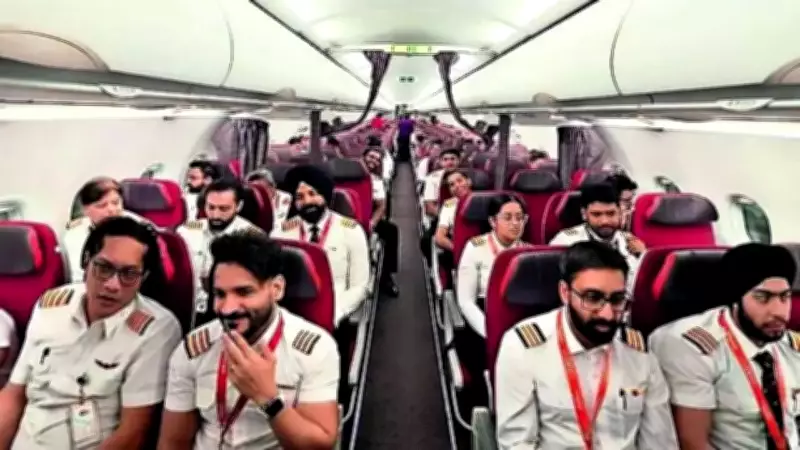
On March 4, Indian carriers have planned a total of 58 flights, with IndiGo operating 30 and the Air India group managing 23. Air India has deployed widebody aircraft, including Boeing 777s and B787s, from Delhi and Mumbai to Jeddah and Dubai, anticipating full capacity on return legs. IndiGo has commenced services to Jeddah and Muscat, while actively working to establish connections to UAE locations. Additional carriers like AI Express, SpiceJet, and Akasa are also operating flights to the region.
Logistical Challenges and Initial Movements
The repatriation strategy prioritizes the recovery of crew and aircraft currently in West Asia, enabling a subsequent scale-up of evacuation and passenger recovery flights through hubs like Jeddah and Muscat. Early movements include private jet operations, such as an Indian-registered Bombardier Global 6000 that transported prominent business leaders from Dubai World Central to Delhi, necessitating a longer route to avoid Pakistani airspace.
This comprehensive effort underscores India's commitment to safeguarding its nationals abroad amidst regional instability, leveraging both public and private aviation resources to facilitate a safe and orderly return.