

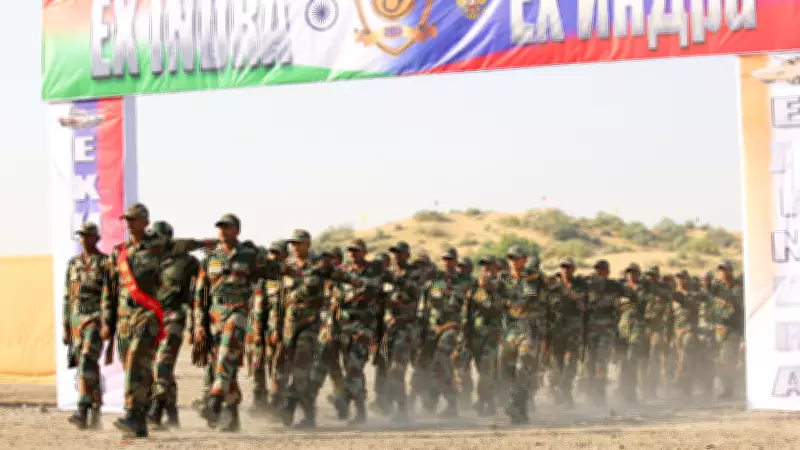
India-Russia Military Logistics Pact Becomes Fully Operational, Allowing Significant Troop and Equipment Deployments
In a major development for bilateral defense ties, the reciprocal military logistics agreement between India and Russia has officially entered into full operational status. This pact, known as the Indo-Russian Reciprocal Exchange of Logistics Agreement (RELOS), was originally signed in February 2025 and has been in force since January 12 of this year, as confirmed by Russia's official legal information portal.
Key Provisions and Deployment Limits
The agreement establishes clear parameters for military cooperation between the two nations. Specifically, it permits each country to station up to 3,000 troops, five warships, and ten aircraft simultaneously within the territory of the partner nation. These deployments are authorized for an initial period of five years, with a provision for extension by an additional five years upon mutual consent of both parties.
Vyacheslav Nikonov, first deputy chairman of the International Affairs Committee, recently confirmed these details to the State Duma in Moscow following the Russian Parliament's ratification of the agreement in December 2025. The operationalization of this pact represents a significant milestone in the long-standing military partnership between New Delhi and Moscow.

Strategic Implications and Enhanced Cooperation
The RELOS agreement is designed to strengthen long-term military cooperation, particularly in areas such as servicing India's extensive inventory of Russian-origin military equipment and enabling longer, more sustained deployments for joint operations. Beyond mere troop and equipment stationing, the pact comprehensively covers joint military exercises, specialized training programs, and coordinated humanitarian missions.
This agreement carries particular strategic significance amid ongoing global tensions, including conflicts in West Asia and Ukraine. It not only regulates the deployment of military personnel and equipment but also establishes a detailed framework for logistics support between the two nations.
Logistics Support and Facility Access
The logistics exchange component includes a wide range of specific services to be provided by the receiving country. For naval vessels, this encompasses:
- Port services and repair facilities
- Delivery of water, food, and technical resources
- Other essential supplies and support
For military aircraft, the agreement provides for:
- Air traffic control services
- Aeronautical data sharing
- Processing of flight requests
- Use of military navigation systems
- Aircraft parking and security arrangements
Aviation fuel, lubricants, special fluids, and restoration of failed equipment will be offered on a reimbursable basis, ensuring transparency in financial arrangements.
Geographic Reach and Operational Flexibility
The pact grants reciprocal access to military facilities, including strategically important airbases and ports, to support ships, aircraft, and personnel. This provides India with access to Russian naval and air bases, including those in the Arctic region, while giving Russia broader access to Indian facilities across multiple locations.
Specifically, the agreement covers "deployment of military formations," allowing for enhanced joint training exercises, coordinated disaster relief operations, and integrated joint military operations. This increased interoperability between the armed forces of India and Russia is expected to boost defense cooperation significantly in both the Indo-Pacific and Arctic regions.
Broader Defense Context and Future Prospects
The operationalization of the RELOS agreement comes at a time when both nations are seeking to deepen their defense partnership while navigating complex global geopolitical landscapes. The ability to station substantial military assets in each other's territory represents a new level of trust and cooperation between New Delhi and Moscow.

This development is likely to have far-reaching implications for regional security dynamics and defense planning in both South Asia and the broader Eurasian region. As both countries continue to modernize their military capabilities and address shared security challenges, the RELOS agreement provides a structured framework for enhanced practical cooperation that could shape defense relations for years to come.





