

India Engages Iran for Safe Passage of Commercial Shipping Through Strait of Hormuz
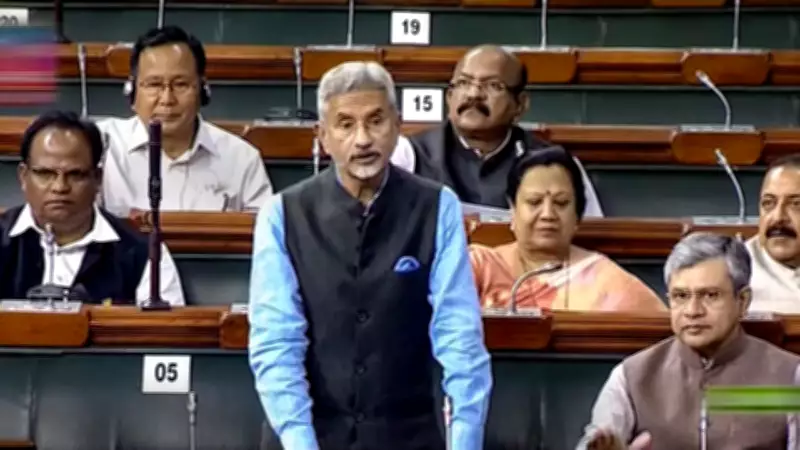
The Indian government confirmed on Thursday that External Affairs Minister S Jaishankar held discussions with his Iranian counterpart, Seyed Araghchi, regarding the safe passage of commercial shipping through the critical Strait of Hormuz. This conversation, which took place on Tuesday, focused on ensuring the security of vessels amid escalating regional tensions, but officials have not yet received any concrete assurance from Tehran that India-bound ships will be exempt from potential targeting.
Ongoing Negotiations for 28 Indian Ships Stuck in Persian Gulf
According to official sources, Indian authorities remain actively engaged with their Iranian counterparts to negotiate safe passage for approximately 28 Indian-flagged vessels currently stranded in the Persian Gulf. These ships are carrying a total of 778 seafarers, highlighting the urgent humanitarian and economic stakes involved.
Rajesh Kumar Sinha, Special Secretary in the Ministry of Ports, Shipping and Waterways, provided detailed figures in a media briefing:

- 24 vessels with 677 seafarers are located on the western part of the Strait of Hormuz.
- 4 vessels with 101 persons are situated on the eastern side of the strait.
This situation follows India's condemnation on Wednesday of attacks on cargo ships, prompted by an incident where an India-bound Thai vessel was struck by an Iranian projectile. The Ministry of External Affairs (MEA) emphasized that the ministers have spoken three times about the conflict, with the latest dialogue centering on shipping safety and India's energy security.
Iran's Stance and Regional Accusations
In response to queries about whether Iran is permitting Indian ships to sail safely, MEA spokesperson Randhir Jaiswal stated, "The last conversation discussed issues pertaining to safety of shipping and India's energy security. Beyond that, it would be premature to say anything." This cautious approach reflects the complex diplomatic landscape.
An Iranian readout of the talks revealed that Araghchi attributed the "insecure situation" and shipping problems in the Persian Gulf to "the aggressive and destabilising actions of the United States." He called for the international community to hold the U.S. accountable and condemned American and Israeli actions, framing the issue within broader geopolitical tensions.
Adding to the volatility, Iran's Islamic Revolutionary Guard Corps (IRGC) issued a stark warning on Wednesday, declaring it would not allow even a litre of oil to be transported through the Strait of Hormuz. An IRGC spokesperson asserted, "You will not be able to artificially lower the price of oil. Expect oil at $200 per barrel. The price of oil depends on regional security, and you are the main source of insecurity in the region." This statement underscores the high stakes for global energy markets and regional stability.
Broader Context of Regional Conflicts
The discussions occur against a backdrop of heightened tensions involving Israel, Iran, and the United States. Recent developments include Saudi Arabia intercepting a drone headed towards the Shaybah oil field and Israeli strikes targeting Hezbollah positions in Beirut. Iran has also issued warnings to U.S. tech firms such as Google, Amazon, Microsoft, and Nvidia, labeling them as "legitimate targets" in the ongoing conflict.
While Iran has reportedly cleared Indian-flagged ships in the Hormuz region, it has imposed restrictions on vessels from the U.S., Europe, and Israel, further complicating maritime navigation. The Indian government's efforts are thus critical not only for the immediate safety of its seafarers but also for maintaining energy security and diplomatic balance in a volatile region.






